 العربية
 English
 हिन्दी
 বাংলা
 اردو
 Français
 中文
 አማርኛ
 فارسی
 Türkçe
 Русский
 한국어
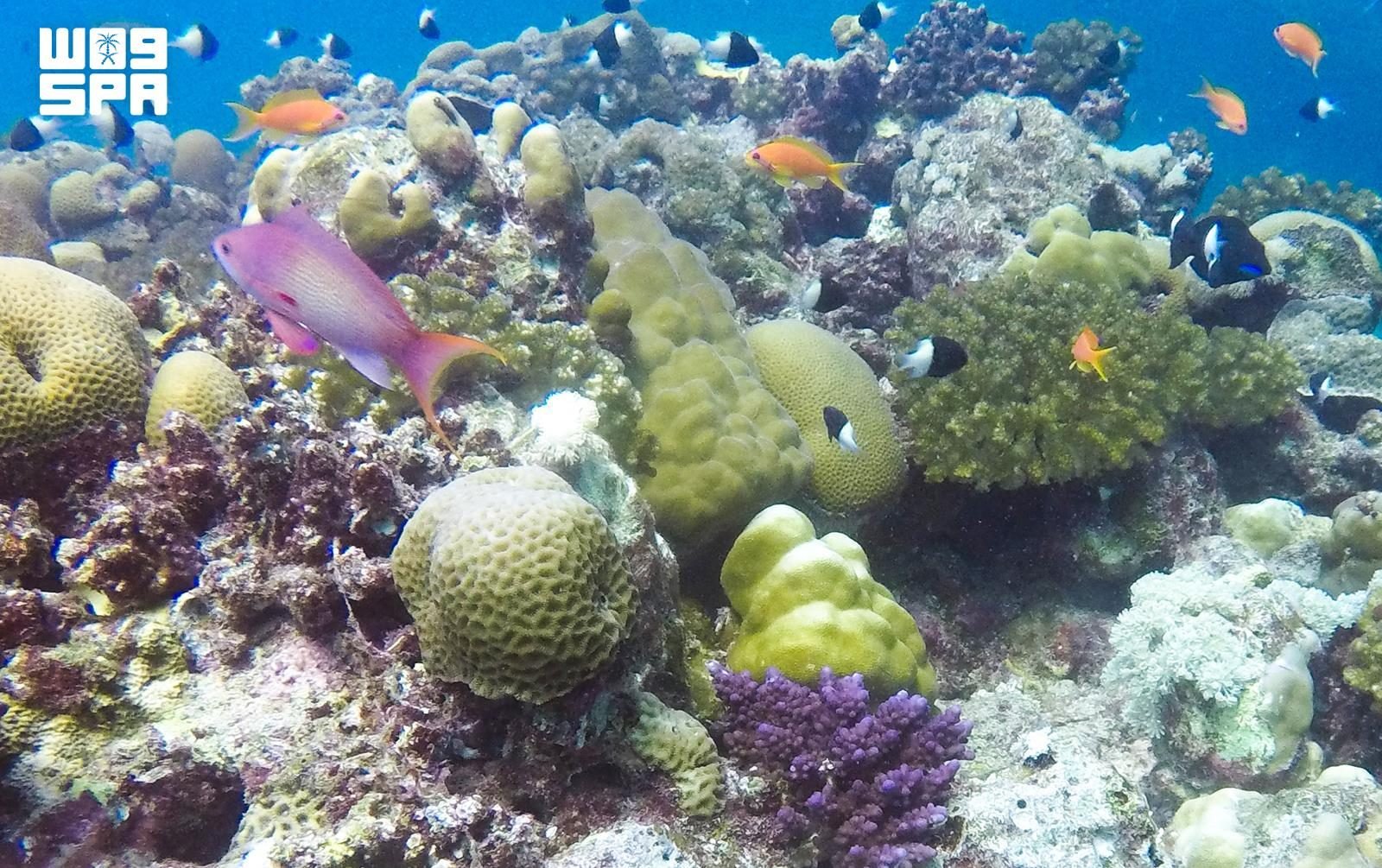
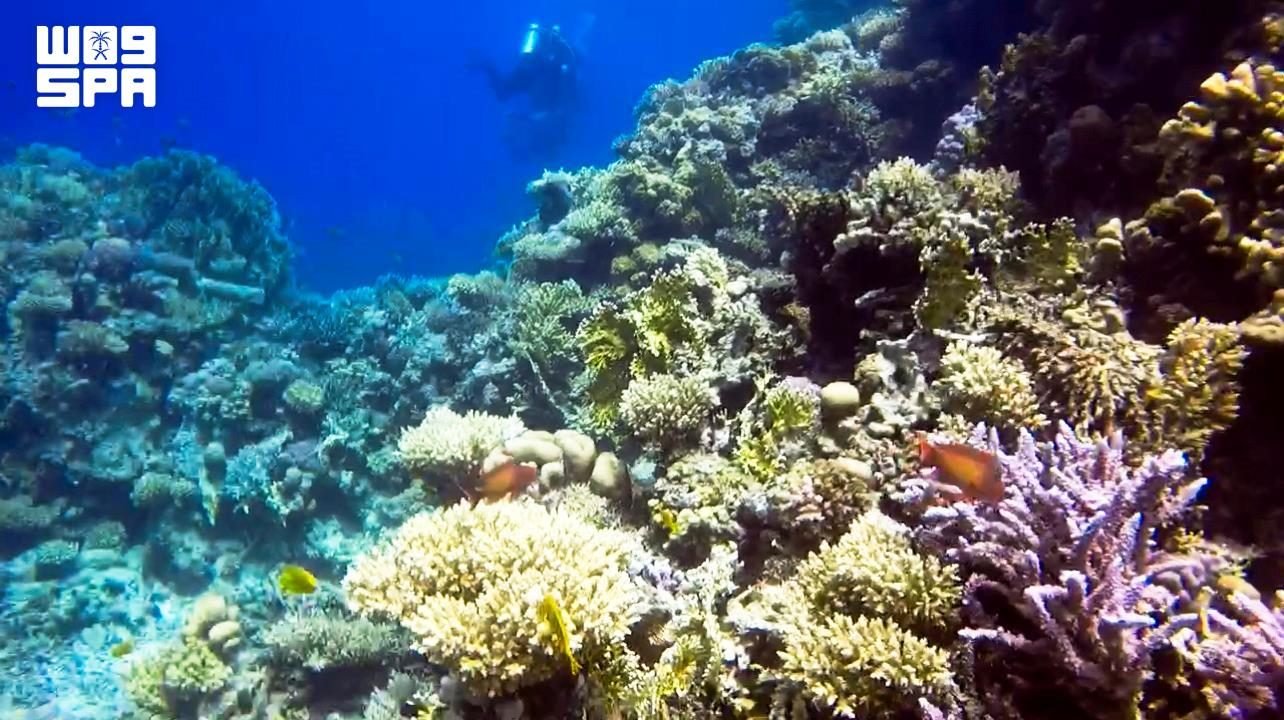
How people behave at sea goes a long way towards deciding the health of the coral reefs off Jeddah, from where boats anchor to how swimmers and divers treat marine creatures. The reefs are among the most important parts of the Red Sea's biodiversity.
Reefs provide habitat, shelter and breeding areas for many species of fish and other sea life. They are built by colonies of tiny living organisms that lay down limestone skeletons, which pile up slowly over very long periods.
The Saudi Red Sea Authority oversees tourism-related marine and coastal activities and checks that the marine environment is protected. Its guidance asks visitors not to anchor over coral reefs or seagrass beds, not to touch sea creatures or take corals and shells, to keep the water clean and to dispose of waste properly.
The authority has also issued requirements for pleasure boat rental businesses, obliging operators to follow reef-friendly practices, brief visitors on responsible behaviour and operate only at approved marine sites.
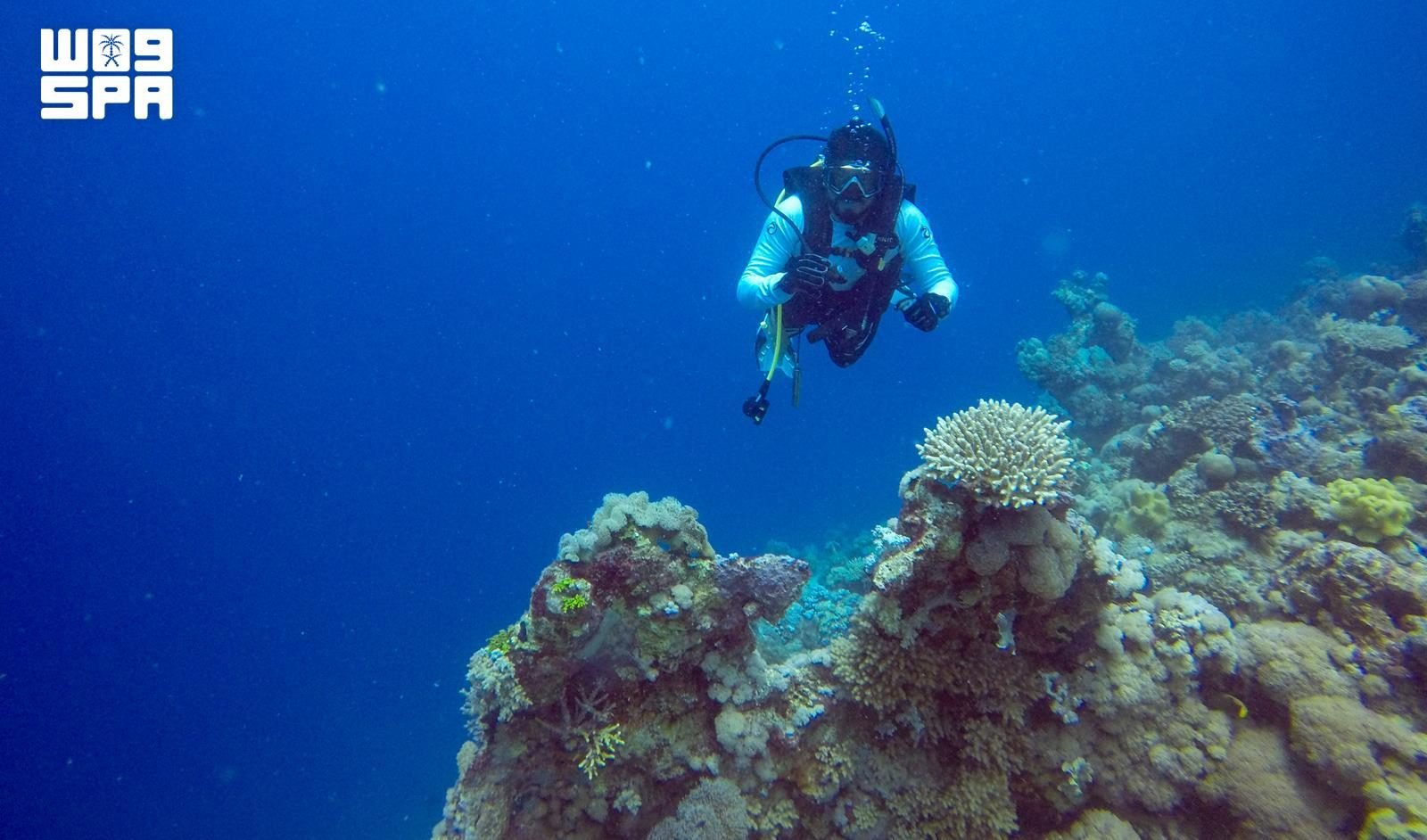
Its recently published guide to coastal tourism activities lists several dive sites known for their coral formations, among them Duqays, Abu Madafi and Umm Al-Hajar. The guidance warns that anchors dropped on coral colonies, or contact while swimming and diving, can damage them, so protecting the reefs depends on everyday conduct at sea as well as on research and restoration work.