العربية
 English
 हिन्दी
 বাংলা
বাংলা اردو
اردو Français
 中文
中文 አማርኛ
አማርኛ فارسی
فارسی Türkçe
 Русский
 한국어
한국어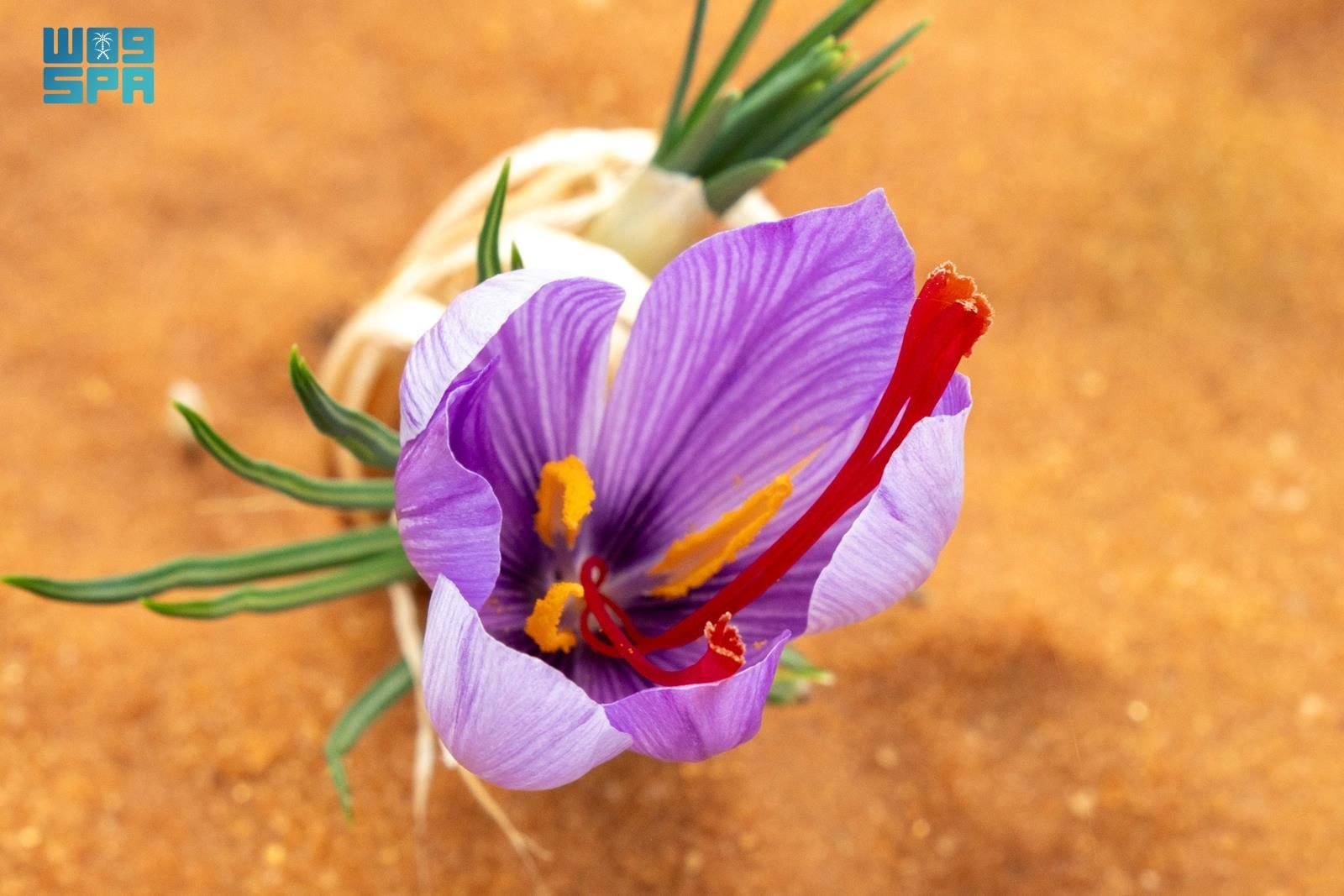
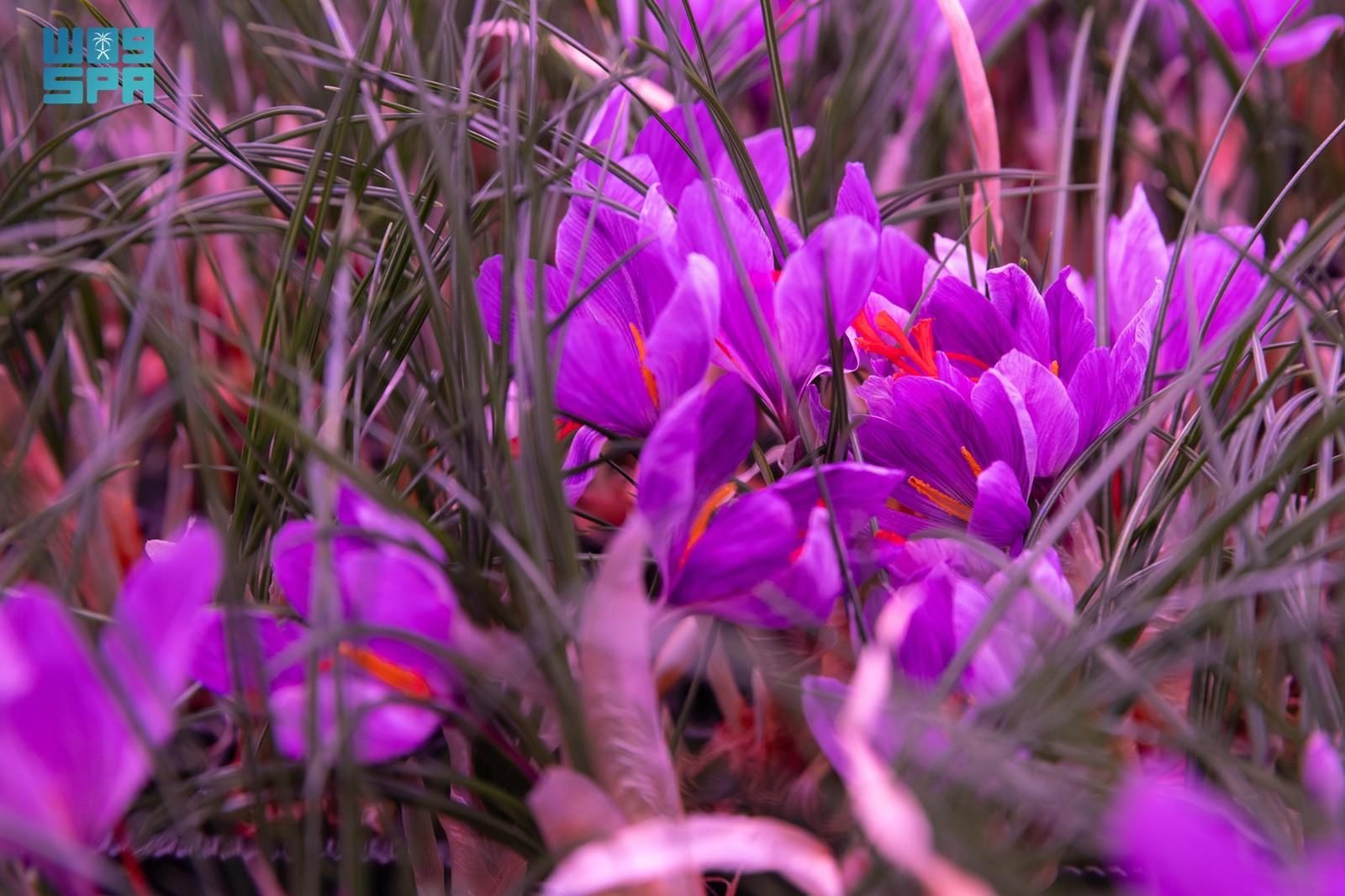
First-grade saffron grown in Saudi Arabia has been confirmed to meet the international ISO 3632 standard, a significant milestone for local production.
The result was established through laboratory tests at internationally accredited facilities, which underline the quality of the national product and its ability to compete on world markets.
It comes under a saffron localization project started in 2024 by the National Research and Development Center for Sustainable Agriculture (Estidamah), with the Ministry of Environment, Water and Agriculture and King Saud University. The project promotes applied research and specialized farming initiatives and seeks to improve production efficiency and value chains for high-return crops.
Field and research trials were conducted in 10 regions of the Kingdom to assess growing conditions, choose the best varieties and apply best practices based on the findings. More than 500,000 saffron corms were distributed to 43 farmers, and the research results were applied on over 40 farms covering more than 364,000 square meters, raising local output and quality.
Combining science and field work, the project also trained farmers in every stage of saffron cultivation, from planting and crop care to harvesting the flowers, processing, drying and storage, so that the product keeps its quality characteristics.
The achievement is described as a strategic step toward producing saffron in the Kingdom to internationally recognized standards, building confidence in first-grade Saudi saffron, strengthening its place in the market and developing value chains for high-value crops.