 العربية
 English
 हिन्दी
 বাংলা
 اردو
 Français
 中文
 አማርኛ
 فارسی
 Türkçe
 Русский
 한국어
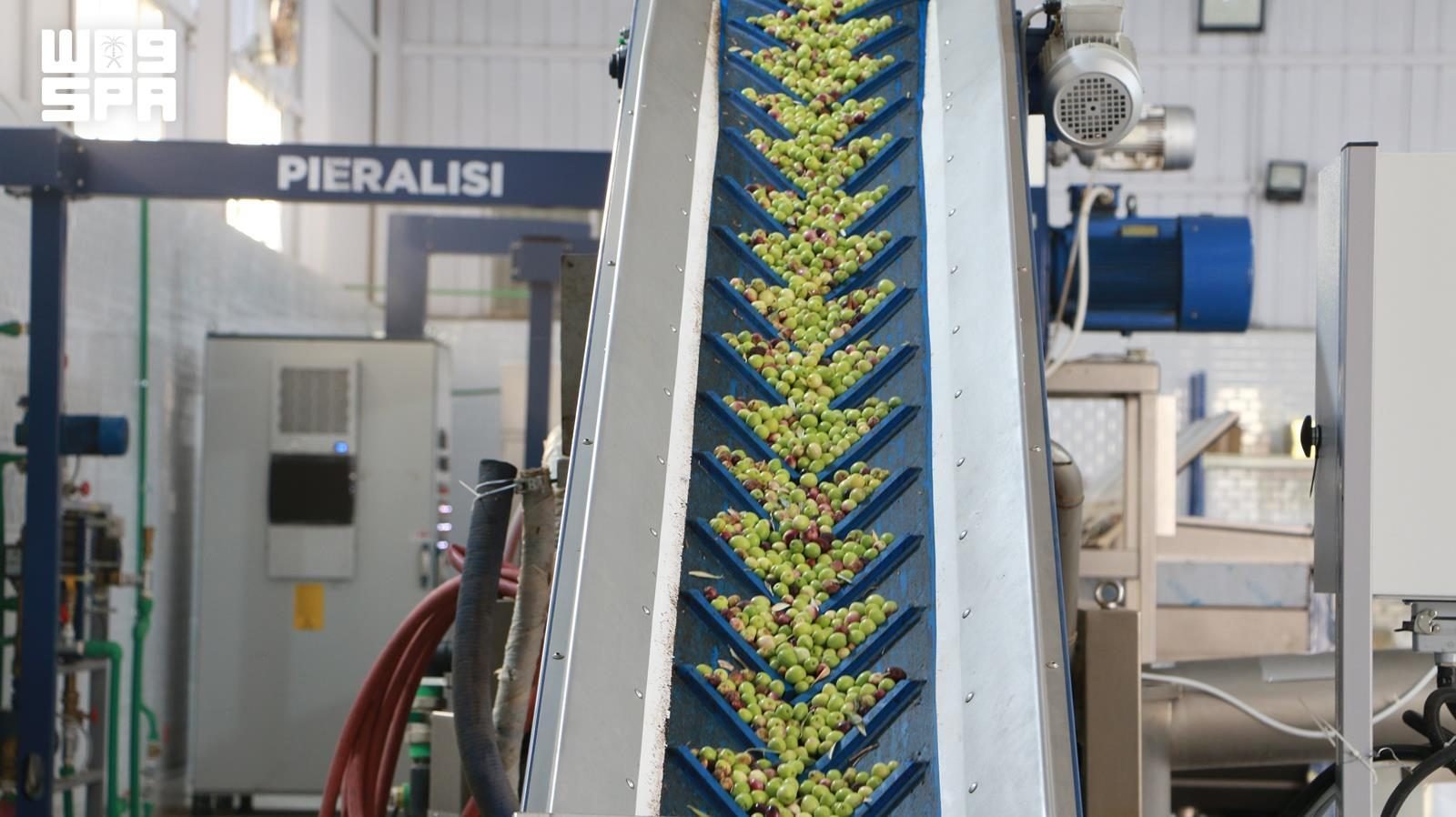
The olive pressing season is under way in Al-Jouf Region, where presses started receiving fruit in October from large agricultural projects and smallholder farms alike, confirming the area's standing as one of the Kingdom's main sources of olives and olive oil.
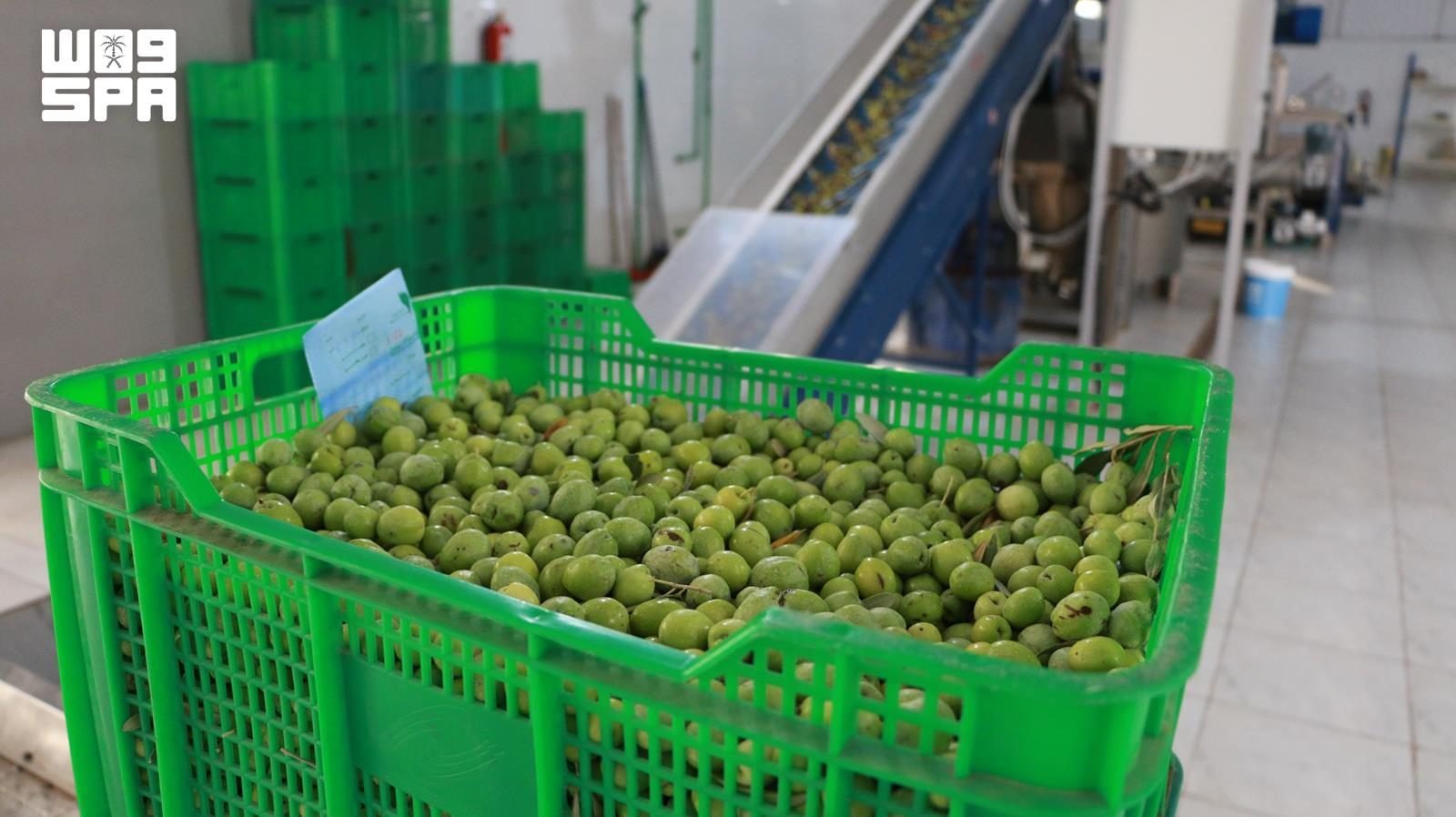
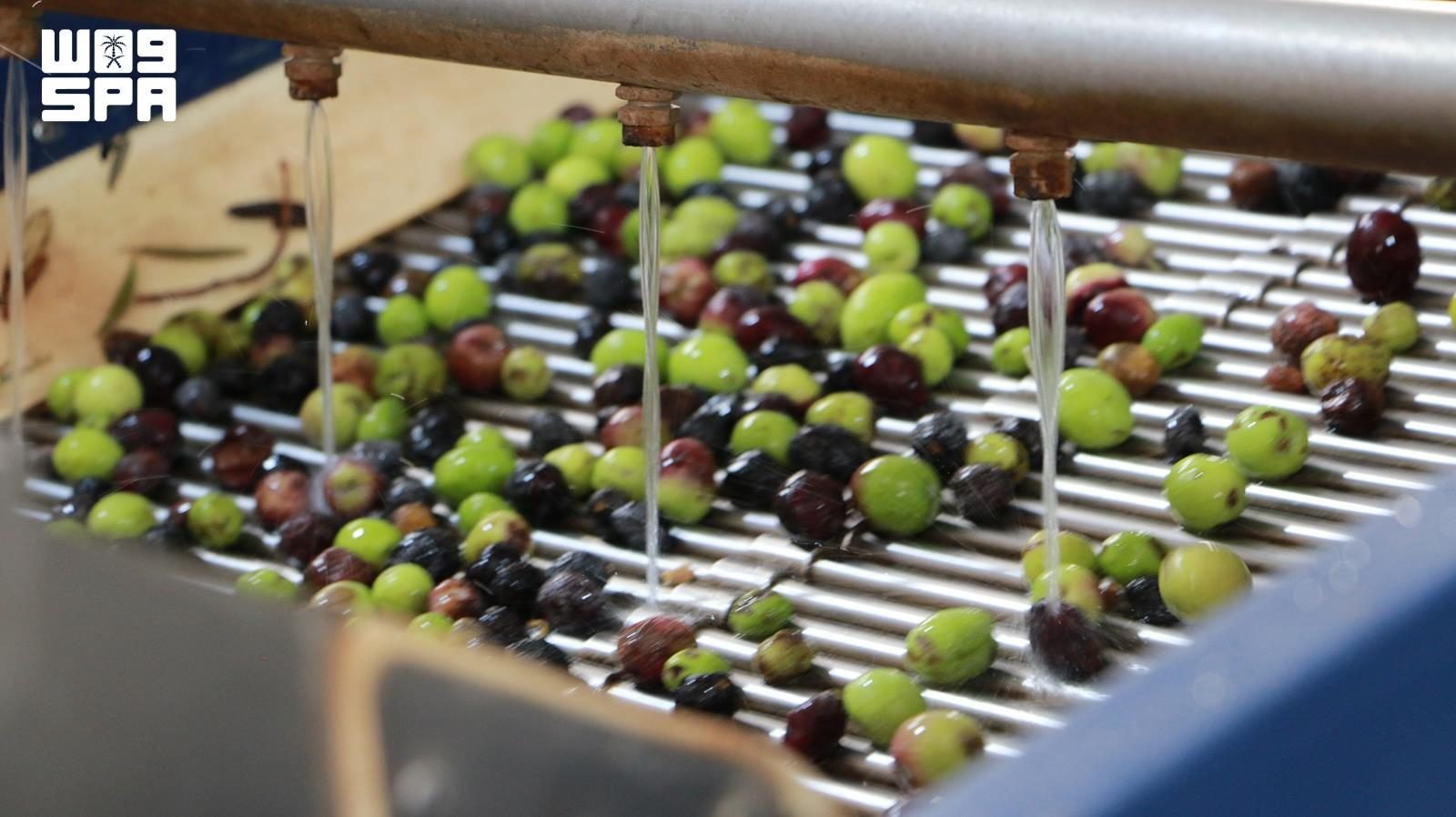
At Al-Jawbah Press, run by the Al-Jouf Multipurpose Cooperative Society, the fruit moves on a conveyor through several stages: air blowers strip away leaves, twigs and other debris, the olives are washed and kneaded, and the oil is then extracted, separated from water, filtered and bottled.
Dr. Bassam Alowaiesh, who chairs the board of the Al-Jouf Olive Producers Association, said olive farming in Saudi Arabia has grown markedly over the last three decades, especially in the north. Al-Jouf alone now has more than 30 million trees on over 20,000 hectares, with an economic value of nearly half a billion riyals.
According to Alowaiesh, the region harvested more than 160,000 tons of olives in 2025, yielding around 25,000 tons of oil, up from roughly 3,000 tons of oil in 2006. Al-Jouf contributes about 80% of olive oil production across the northern regions of the Kingdom.
Varieties grown in the Kingdom include Picual, Sorani, Picholine, Zaity, Jalt, Qaisi, Manzanilla, Dan and Nabali. Picual contains 15% to 22% oil in its native habitat and tolerates frost and salinity, Picholine adapts to a range of climates, and Nabali can reach an oil content of 26% of the fruit's weight.
Alowaiesh said the mix of varieties and better pressing methods add value to local produce, support farming and related industries, and strengthen the presence of Al-Jouf olive oil in the market.