 العربية
 English
 हिन्दी
 বাংলা
 اردو
 Français
 中文
 አማርኛ
 فارسی
 Türkçe
 Русский
 한국어
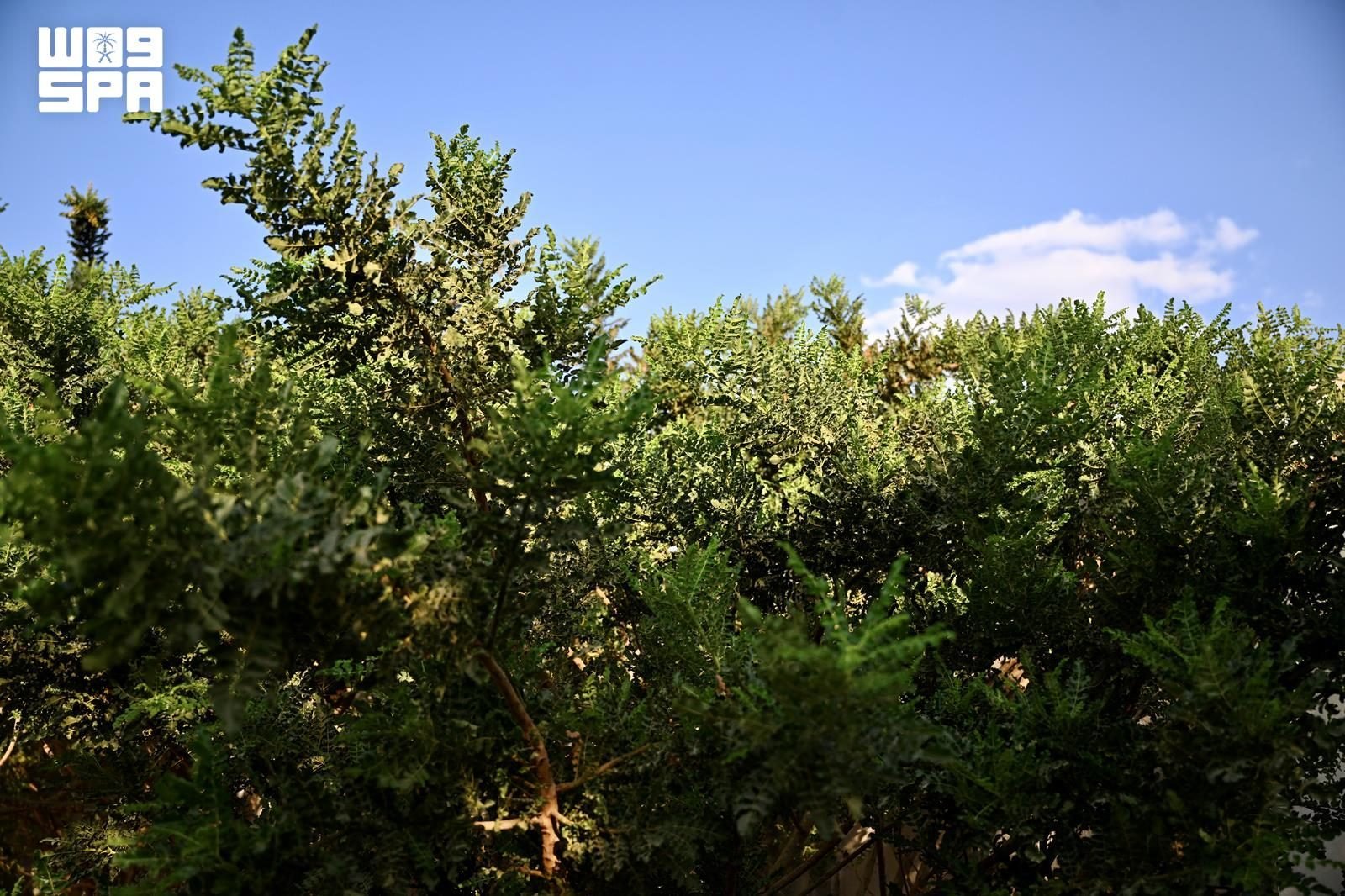
Farming of frankincense, known locally as "kundur", is emerging in Najran as a way to broaden agricultural investment. Officials point to the resin's economic value and its uses in perfume, incense and cosmetics, and to the chance of building a full chain from planting and harvesting to processing, packaging and higher-value finished products.
Eng. Murih bin Share' Al-Shahrani, Director General of the Ministry of Environment, Water and Agriculture branch in the region, described the crop as a promising area for studying how to expand trees of economic and environmental value. He said cultivation trials should be backed by scientific research on climate, soil, water needs and site suitability, with government bodies, universities, researchers and farmers working together.
Dr. Amish bin Salman Al-Qahtani, head of the pharmacognosy department at Najran University's College of Pharmacy, said the plant is known scientifically as Boswellia sacra (Boswellia carteri) and belongs to the Burseraceae family. Its resin is a blend of gum, resin and volatile oils containing compounds such as boswellic acids and pinene.
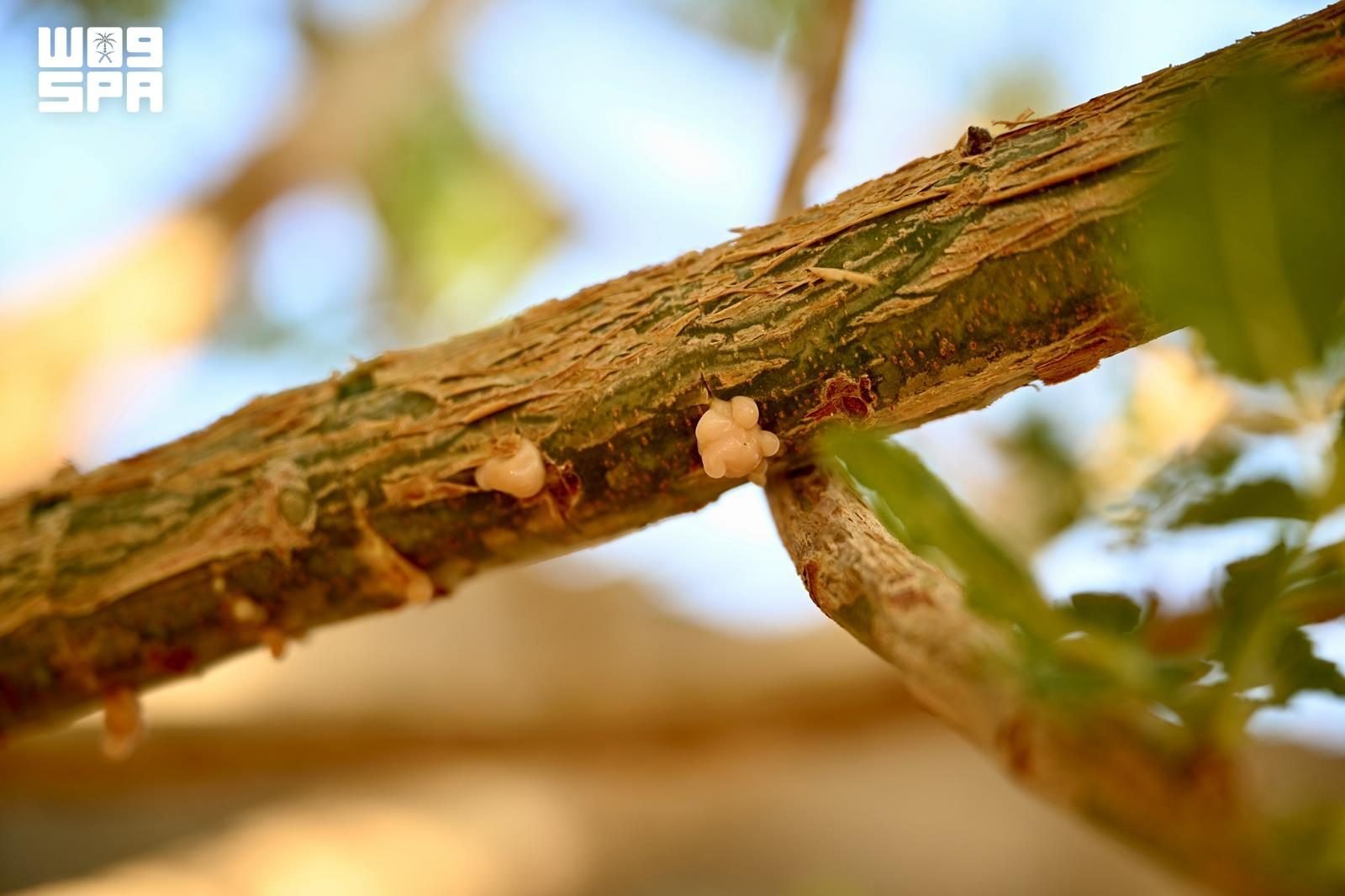
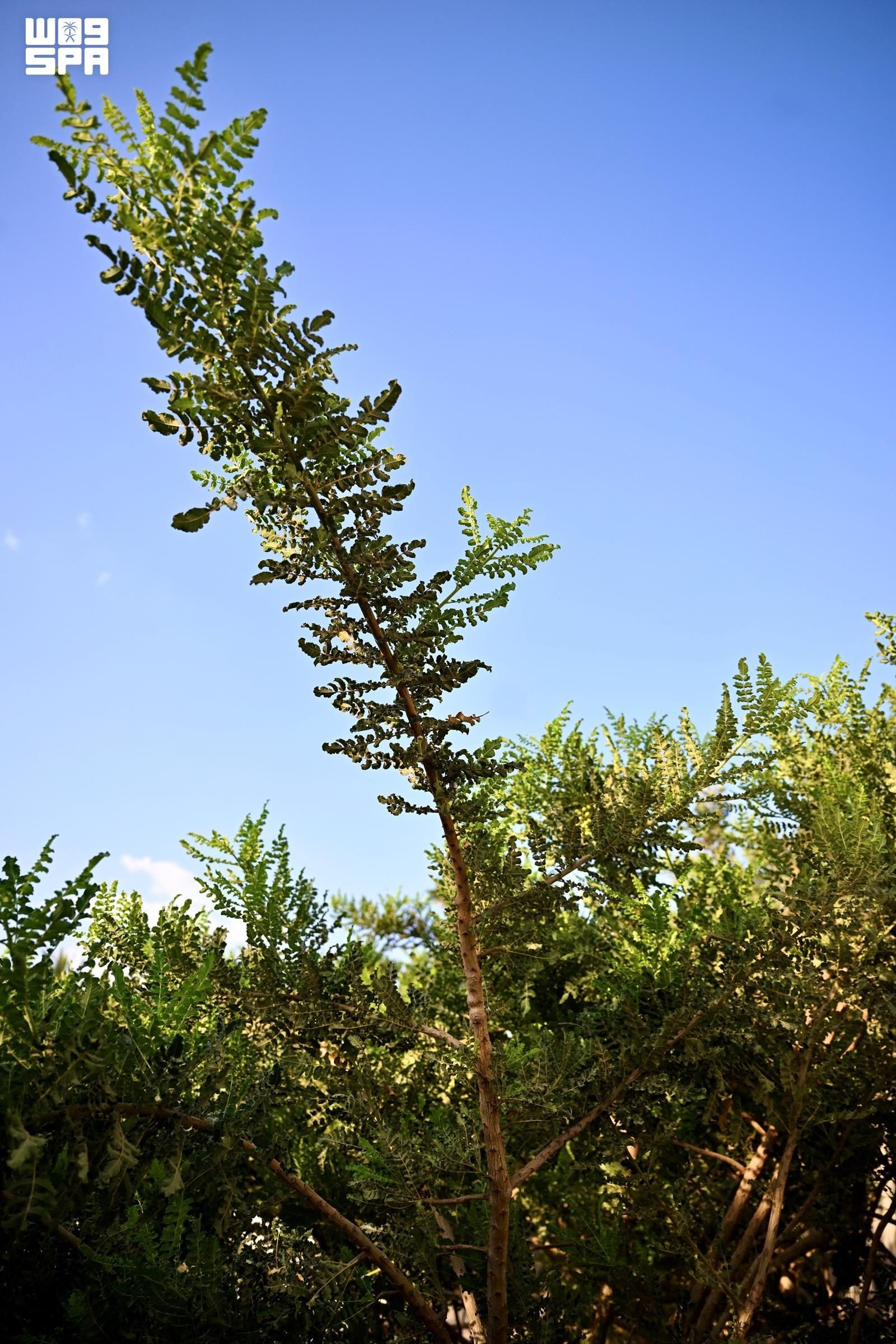
He added that the tree is branched, with feather-like leaves and small flowers, and usually grows three to five metres tall. The resin is obtained by making careful cuts in the bark; the sap hardens gradually before it is collected.
Farmer and agricultural expert Mohammed Al Taisan said the sticky white liquid turns brown as it sets and is then gathered as raw resin with a distinctive bitter taste. Moving beyond selling raw gum to extracting, distilling and bottling essential oils could add value and open the door to small and medium-sized businesses, he said, provided costs and expected revenues are carefully assessed.
He stressed that controlled irrigation and proper tapping and collection methods are key to conserving water, protecting the trees and keeping production sustainable.