 العربية
 English
 हिन्दी
 বাংলা
 اردو
 Français
 中文
 አማርኛ
 فارسی
 Türkçe
 Русский
 한국어
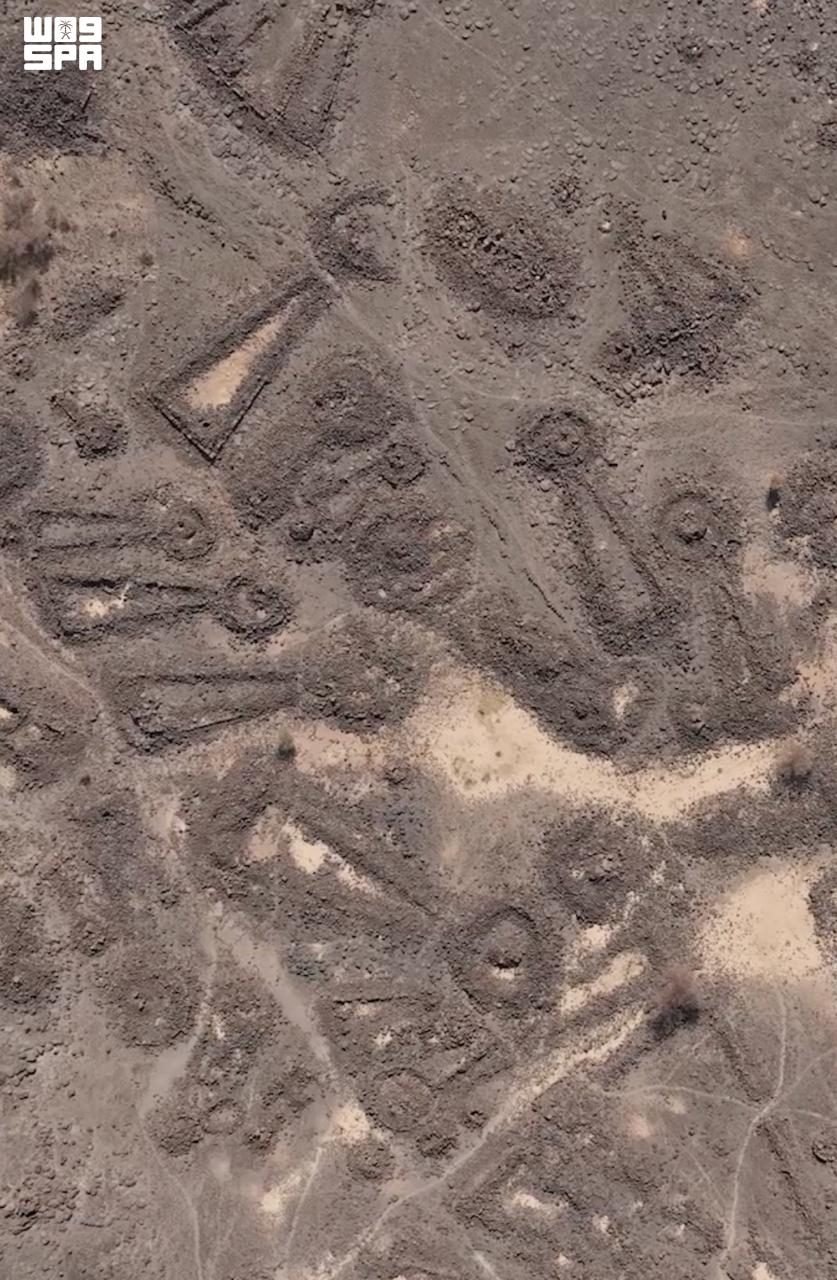
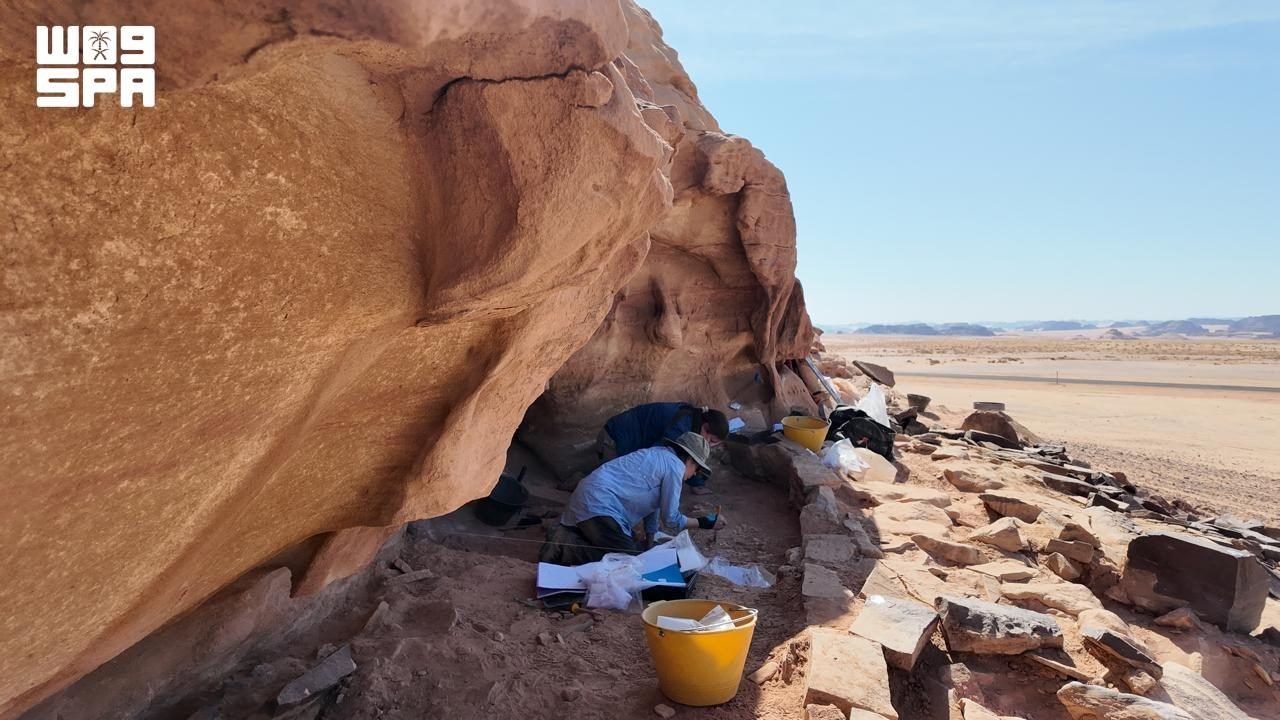
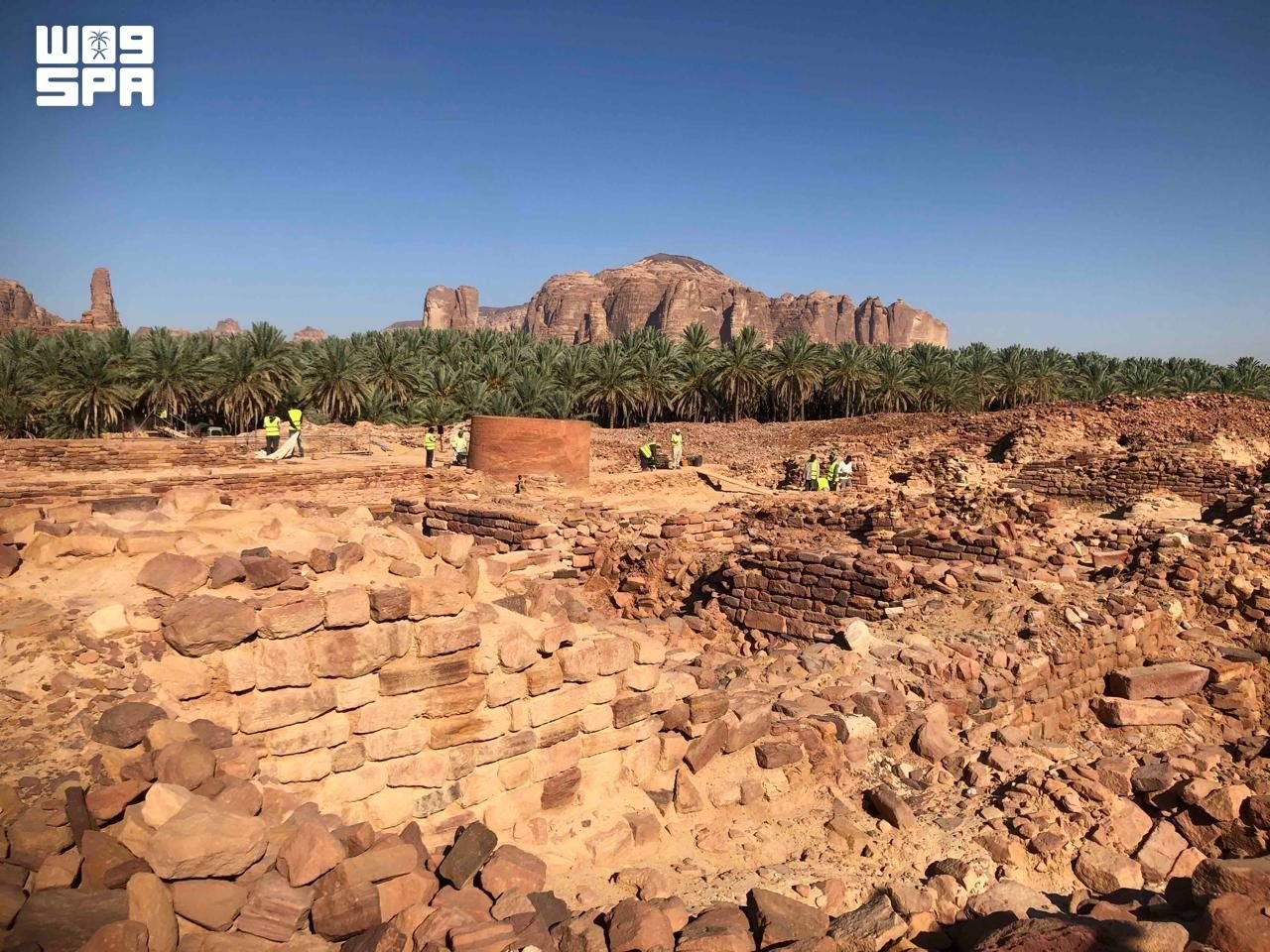
A new archaeology season has begun across AlUla and Khaybar, the Royal Commission for AlUla (RCU) announced. The 2026–2027 season continues several years of research, excavation, documentation and conservation in one of northwest Arabia's richest archaeological landscapes.
Research this year is organised around early human presence, ancient Arabian kingdoms and oasis societies, movement and pilgrimage routes, environmental history and water management, inscriptions and written heritage, and material culture and daily life, linking evidence across sites, periods and disciplines.
At Hegra, teams are studying the ancient settlement core, including plant and animal remains and finds. At Dadan, the second phase of the Dadan Archaeological Project follows a five-year first project and concentrates on burial and residential areas. In Khaybar, work looks at how people lived with the oasis over time, from the Neolithic, or New Stone Age, to the Islamic periods, using sediment records and evidence of ancient environments and natural resources.
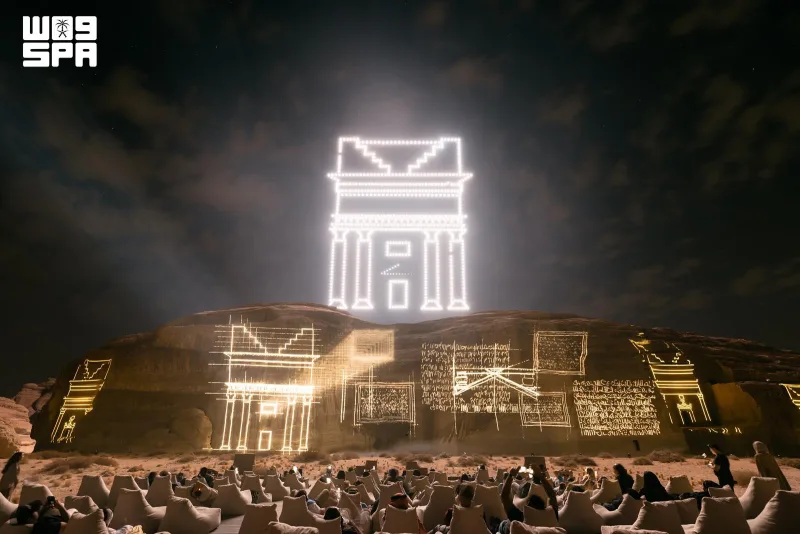
Studies of historic routes in South AlUla examine the pilgrimage and trade landscape, including forts, railway stations and associated remains. Written heritage remains a priority: more than 25,000 inscriptions have been recorded in AlUla. Specialists are also analysing animal bones, pottery, qanat water channels and oasis water management.
University students are taking part in field and laboratory work and digital documentation under Saudi and international experts, and community activities, museum and lab sessions and site visits involve teachers, students, Rawis and rangers. The RCU said the programme builds Saudi expertise and supports Saudi Vision 2030 goals on protecting national heritage.