العربية
 English
 हिन्दी
 বাংলা
বাংলা اردو
اردو Français
 中文
中文 አማርኛ
አማርኛ فارسی
فارسی Türkçe
 Русский
 한국어
한국어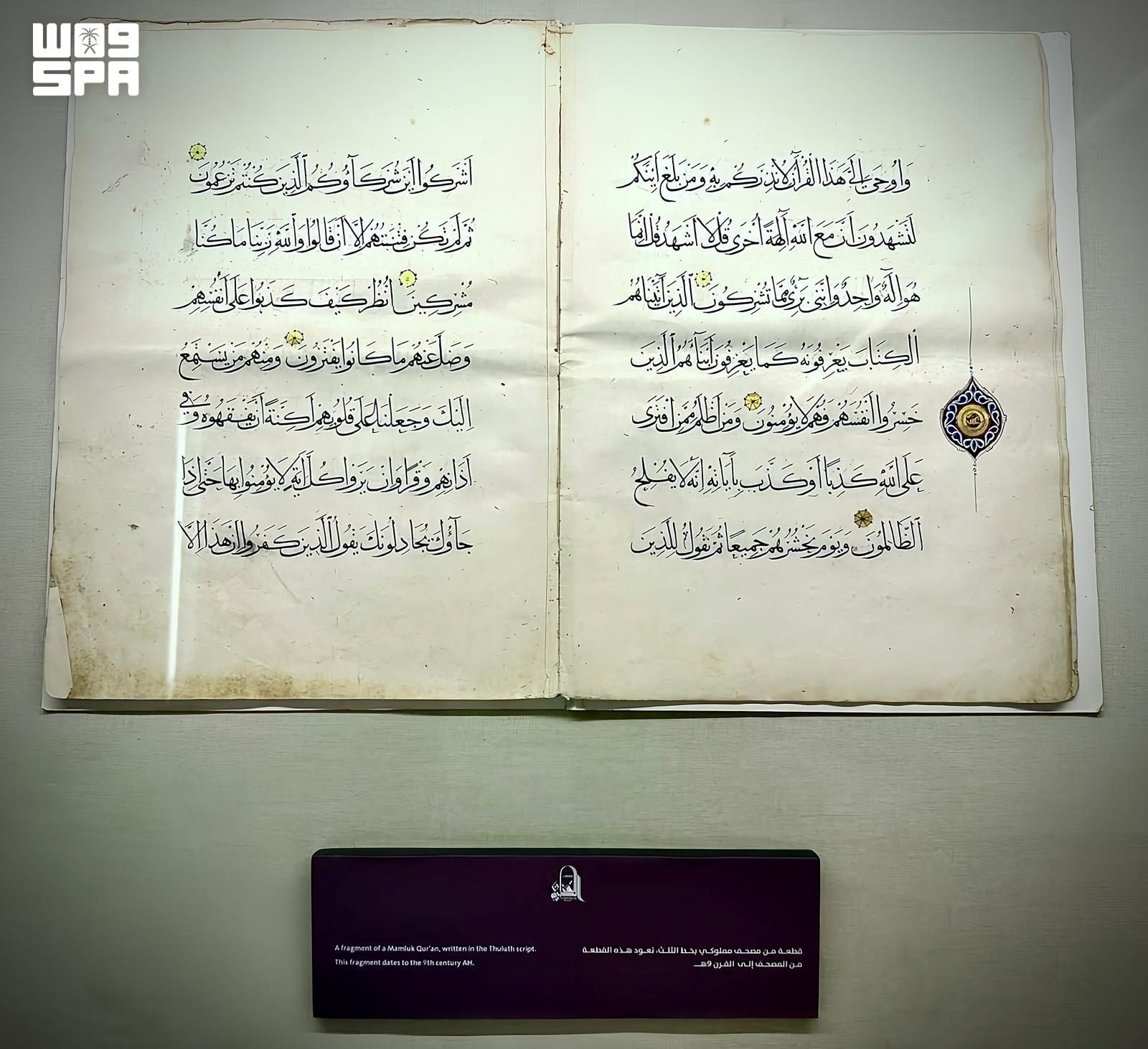
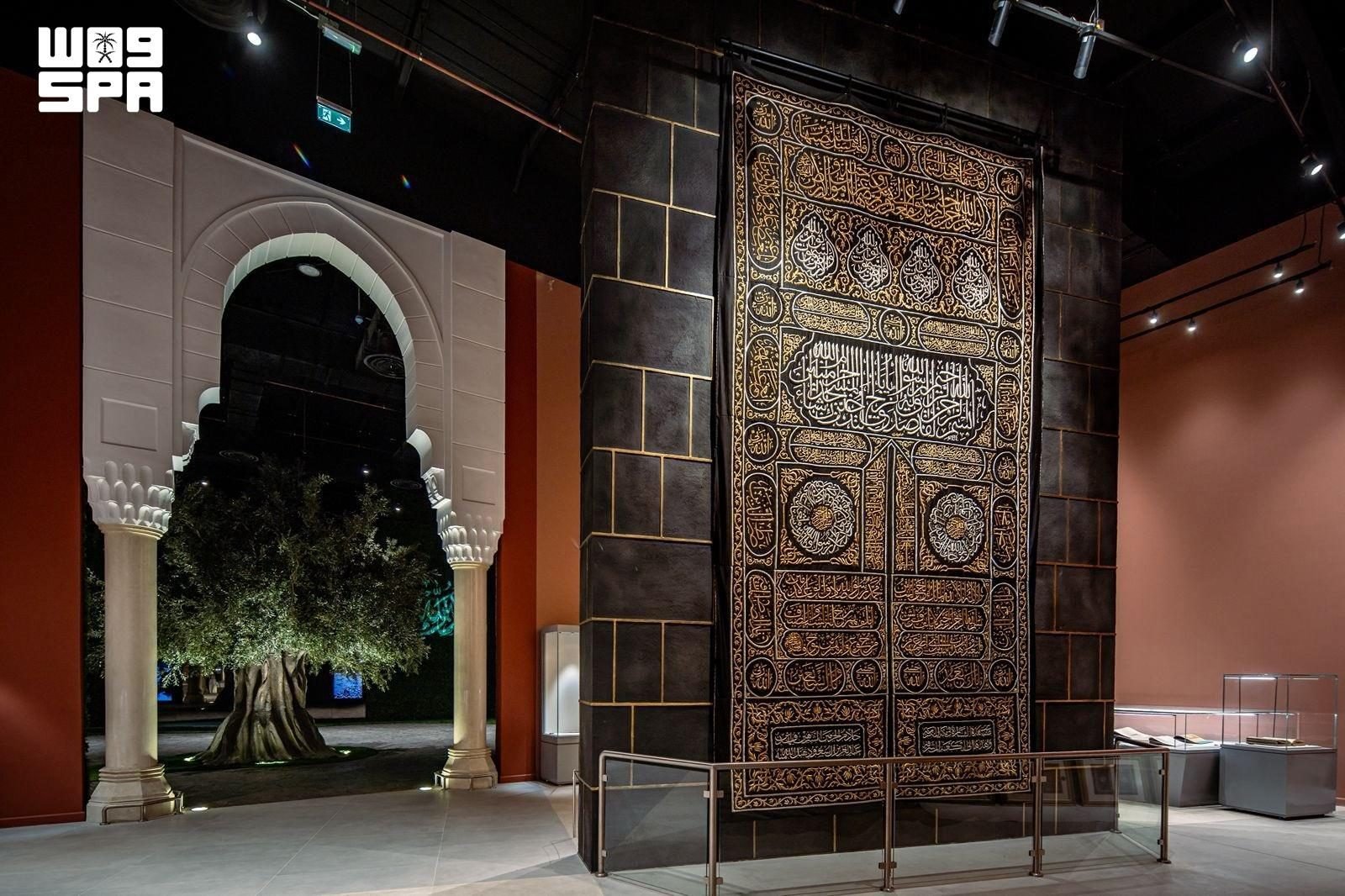
Visitors to the Holy Quran Museum in Makkah's Hira Cultural District can see a Mamluk-era Quranic manuscript written in Thuluth, one of the most celebrated Arabic scripts. The piece is dated to the 9th century AH, corresponding to the 15th century CE.
The manuscript offers a glimpse into the history of writing the Holy Quran and the care that calligraphers across Islamic eras gave to script, ornament and quality of execution. Such manuscripts combine the religious value of the text with an artistic and historical record of how Arabic writing and its schools developed.
Thuluth holds a prominent place in Islamic art thanks to the balance between its long strokes and curves, the variety of its letterforms and its ability to build compositions that are both legible and beautiful. Mastering it demands great skill in proportion and spacing, which made it a field of creativity and competition among calligraphers. It was used for headings and architectural inscriptions and adorned mihrabs, domes and mosque walls.
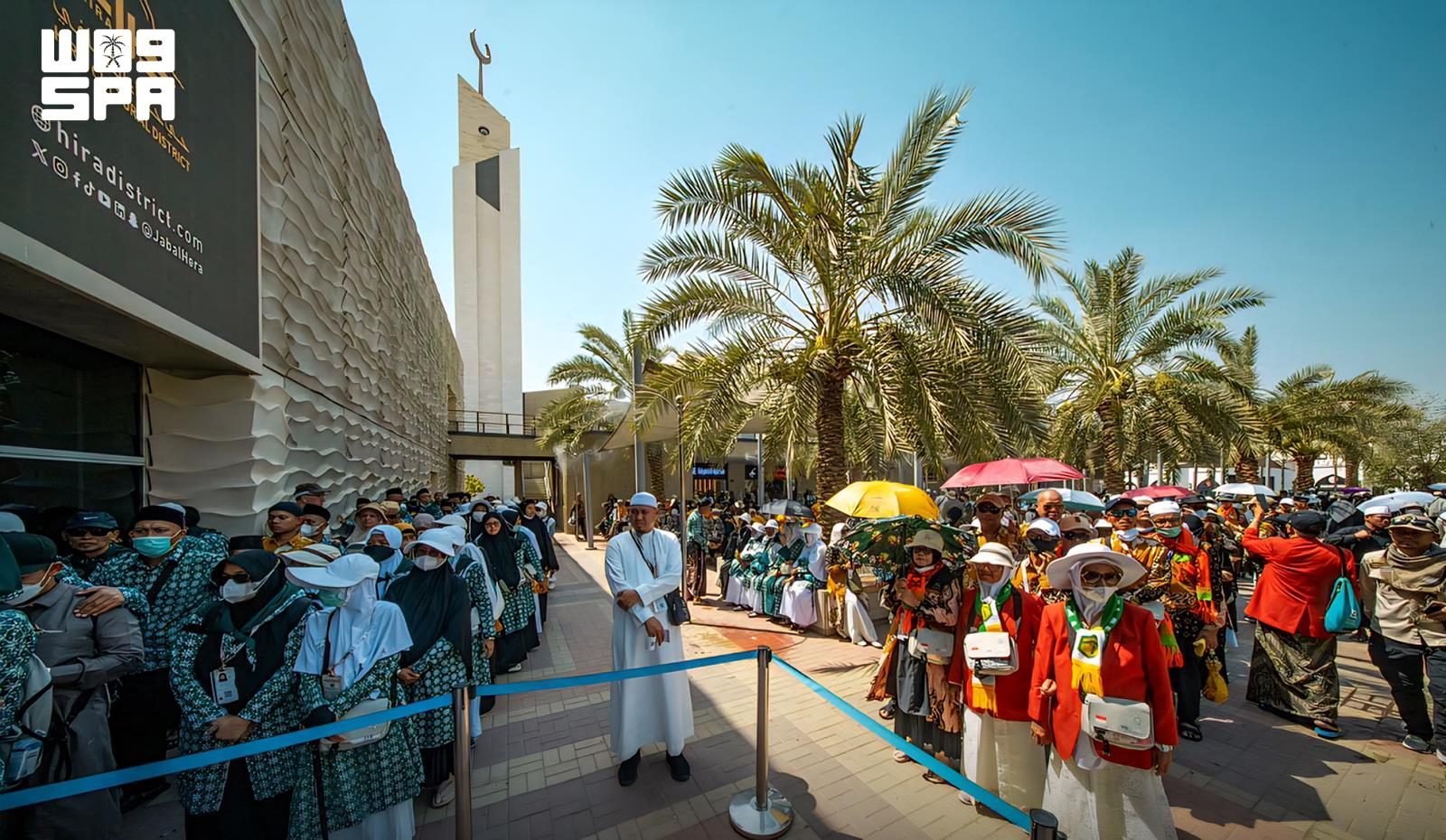
One of Makkah's specialised cultural landmarks, the museum introduces visitors to the history of the Quran, the stages of its compilation and writing, and the arts of calligraphy, illumination and manuscript-making, within the Hira Cultural District beside Mount Hira, a site of historical and religious significance in the Prophet's biography.
The display highlights the role of specialised museums in preserving historical collections, making them accessible to the public and showing the central place of the Holy Quran in Islamic civilisation.