العربية
 English
 हिन्दी
 বাংলা
বাংলা اردو
اردو Français
 中文
中文 አማርኛ
አማርኛ فارسی
فارسی Türkçe
 Русский
 한국어
한국어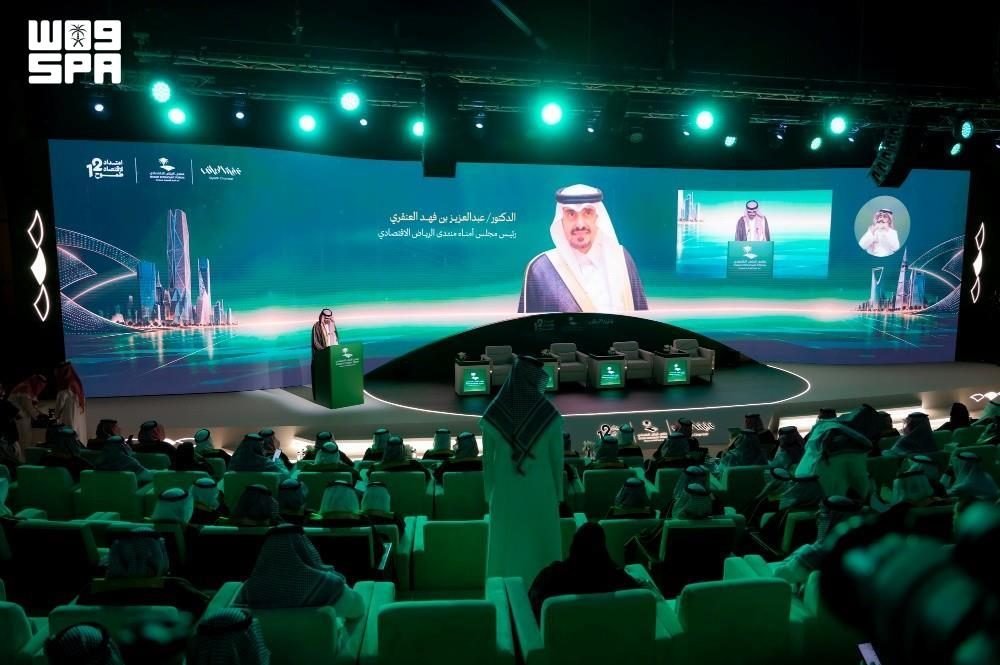
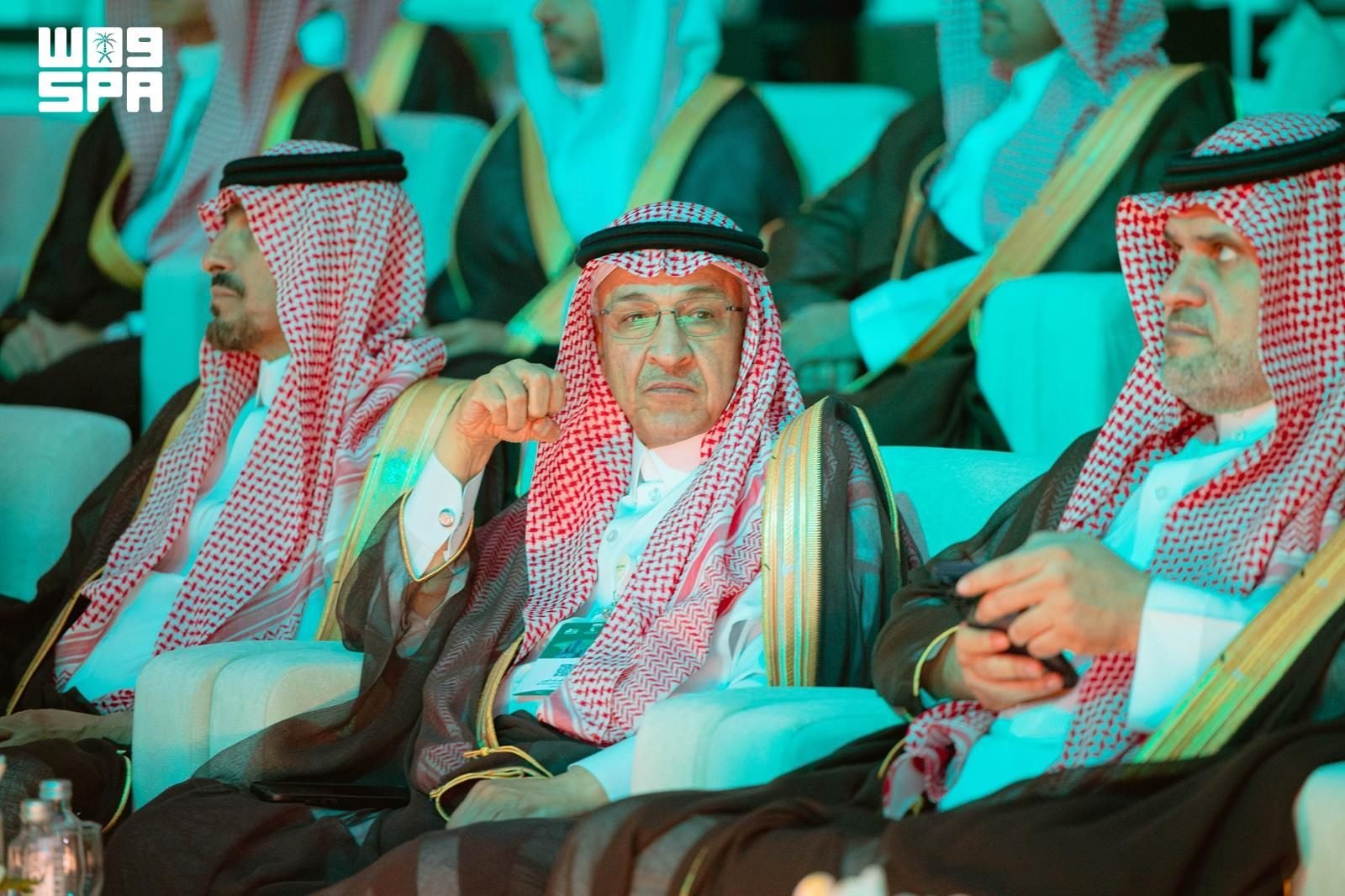
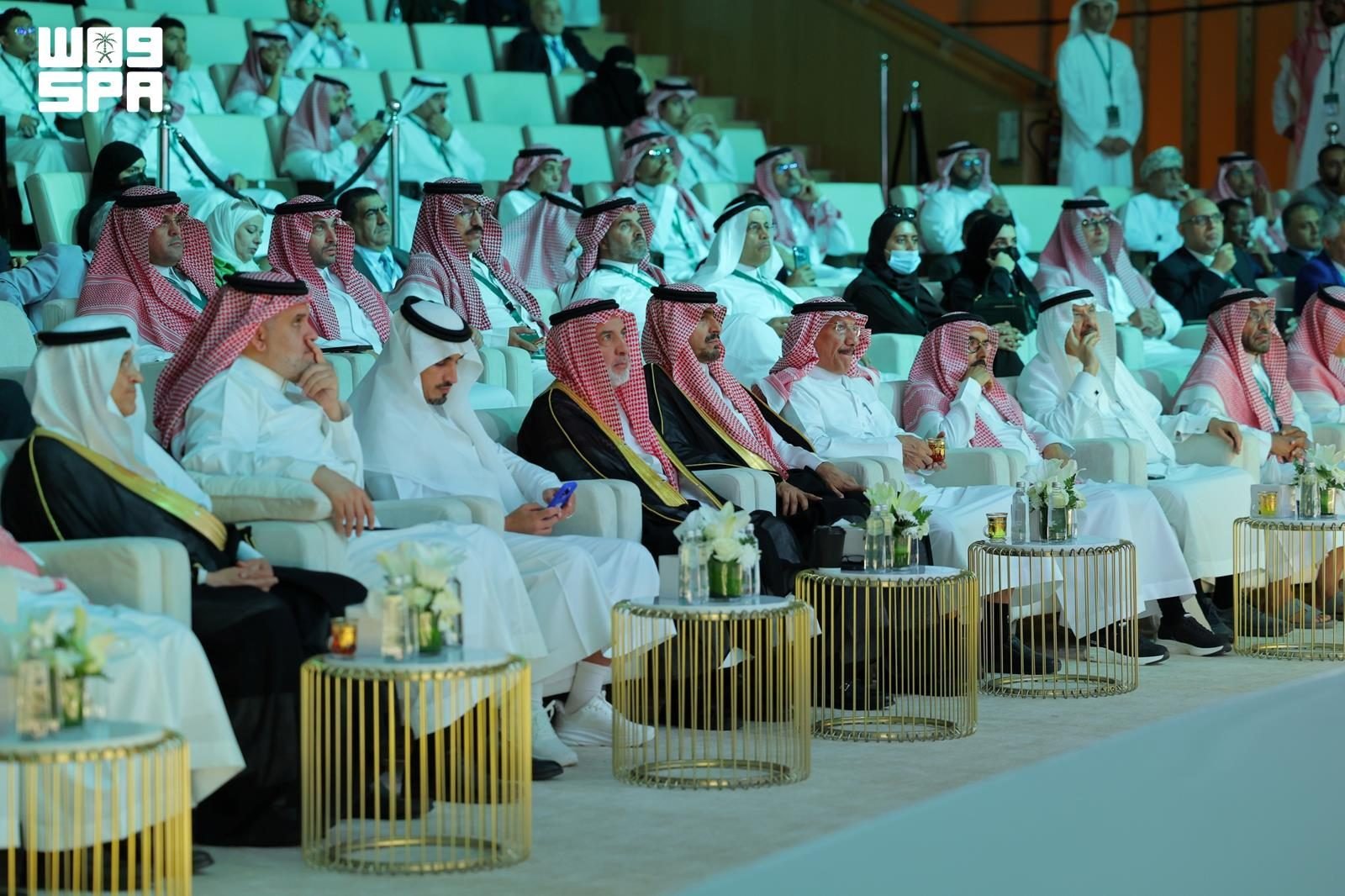
The Riyadh Economic Forum closed its 12th edition, held under the patronage of the Custodian of the Two Holy Mosques King Salman bin Abdulaziz Al Saud, by announcing 33 strategic recommendations drawn from five in-depth studies. Economists, academics and representatives of the public and private sectors took part, with the recommendations aimed at practical solutions to make the national economic system more efficient.
The first study, on transferring and localizing knowledge among local talent, called for a unified national framework to govern and measure knowledge transfer, re-engineering major contracts, investments and projects to localize capabilities, linking universities and applied research to production challenges, and supporting a shift to an economy that produces its own knowledge and technologies.
The second study, on measuring the impact of legislation and public policies on the Sustainable Development Goals, recommended a neutral, specialized national center for before-and-after impact assessment under high-level national oversight, a national impact data bank and dashboard, and an integrated digital system using big data and artificial intelligence, along with training programs for impact assessment specialists.
On traffic congestion in major cities, the third study proposed establishing a General Authority for Traffic, smart traffic management, measures to manage travel demand and spread peak loads, stronger public transport, fixes for bottlenecks, updated traffic regulations and a transport research center.
The fourth study focused on maximizing the economic and social returns of the Kingdom hosting Expo 2030 and the 2034 World Cup, including keeping more value in the local economy, flexible accommodation capacity for peak demand, matching skills training to event-related jobs, and turning hosting into a lasting legacy of production and innovation, while tracking the impact on household welfare and the labor market.
The fifth study, on smart agriculture and artificial intelligence for water and food security, urged a national smart-agriculture transformation program, an integrated agricultural data and early-warning system, a program to improve irrigation efficiency and water productivity, better financing and support, and a competitive national industry for smart agricultural technologies.