العربية
 English
 हिन्दी
 বাংলা
বাংলা اردو
اردو Français
 中文
中文 አማርኛ
አማርኛ فارسی
فارسی Türkçe
 Русский
 한국어
한국어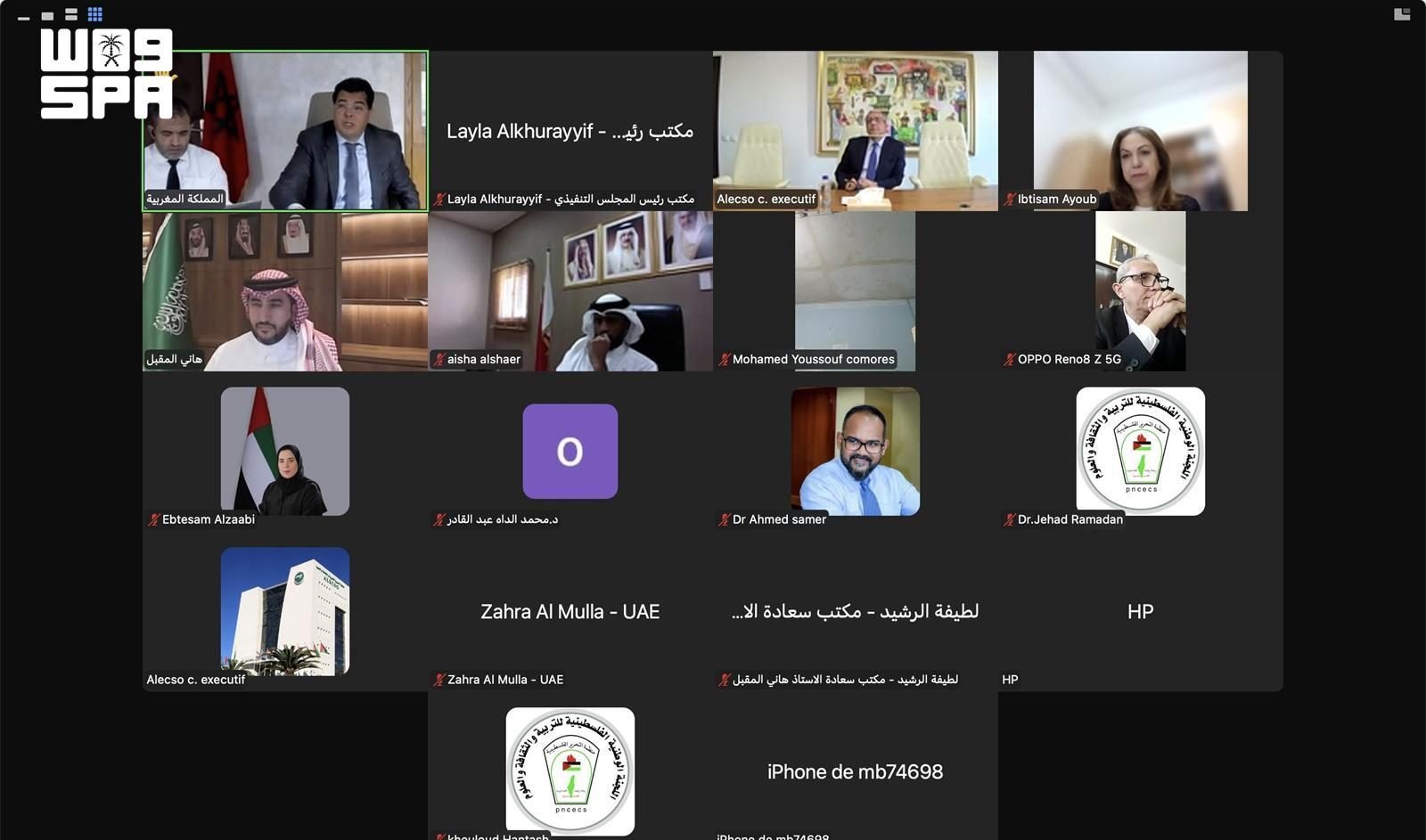
For the first time since it was founded 56 years ago, the Arab League Educational, Cultural and Scientific Organization (ALECSO) has carried out a full review of the way its General Conference operates. The work was led by a committee on developing the General Conference's working mechanism, set up on a Saudi initiative that the Executive Council and the General Conference approved, and chaired by the Kingdom during its 2024–2026 presidency of the conference.
The committee was headed by the Kingdom's representative and Executive Council Chairman Hani Al-Moqbel, with 12 Arab states as members. It drew up a new working model and an integrated governance and legislative system intended to speed up decision-making, involve every member state in decisions and address four core challenges: legislative, governance, institutional and operational.
Over 18 months and four phases, the committee held 33 meetings, identified 60 challenges in legal, technological, coordination and participation areas, and put forward 90 proposed remedies. Among its results are four mechanisms created for the first time in ALECSO's history: a General Conference Bureau, a Preparatory Committee, a Committee on Strategies and Action Plans and a Legal Affairs Committee. It also rewrote the conference's rules of procedure and designed a new structural model.
The reform reshapes the conference along five lines: governance, moving from running sessions to institutional oversight with clearer division of powers; digital, adding rules for electronic meetings and voting; operational, introducing preparatory meetings before each conference so files are ready and ministers' time is saved; structural, turning the committee system into an integrated, interactive structure; and institutional, creating the General Conference Bureau to handle preparation, supervision and follow-up and keep work going between sessions.
When it finished in May 2026, the committee produced 16 recommendations for the Executive Council and General Conference meetings in November. They include adopting the amended rules of procedure at the 28th session, reviewing those rules every four years, reconsidering ALECSO's constitution, strengthening financial and administrative governance, setting a regulatory and technical framework for digital work, launching a regular forum for legislative councils and specialised ministerial conferences, and briefing the Arab League's Economic and Social Council on the project as a model for other specialised Arab organisations.