العربية
 English
 हिन्दी
 বাংলা
বাংলা اردو
اردو Français
 中文
中文 አማርኛ
አማርኛ فارسی
فارسی Türkçe
 Русский
 한국어
한국어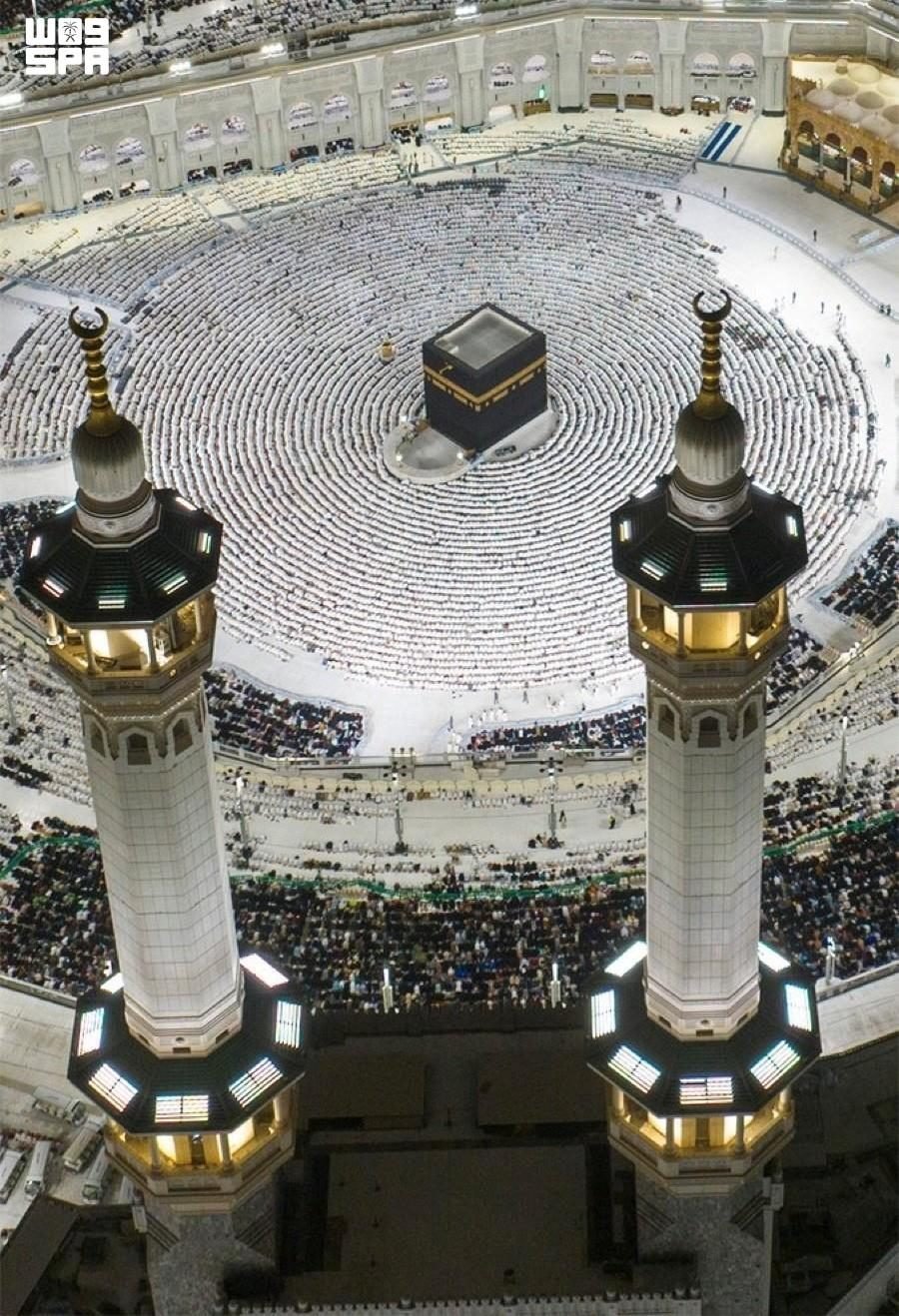
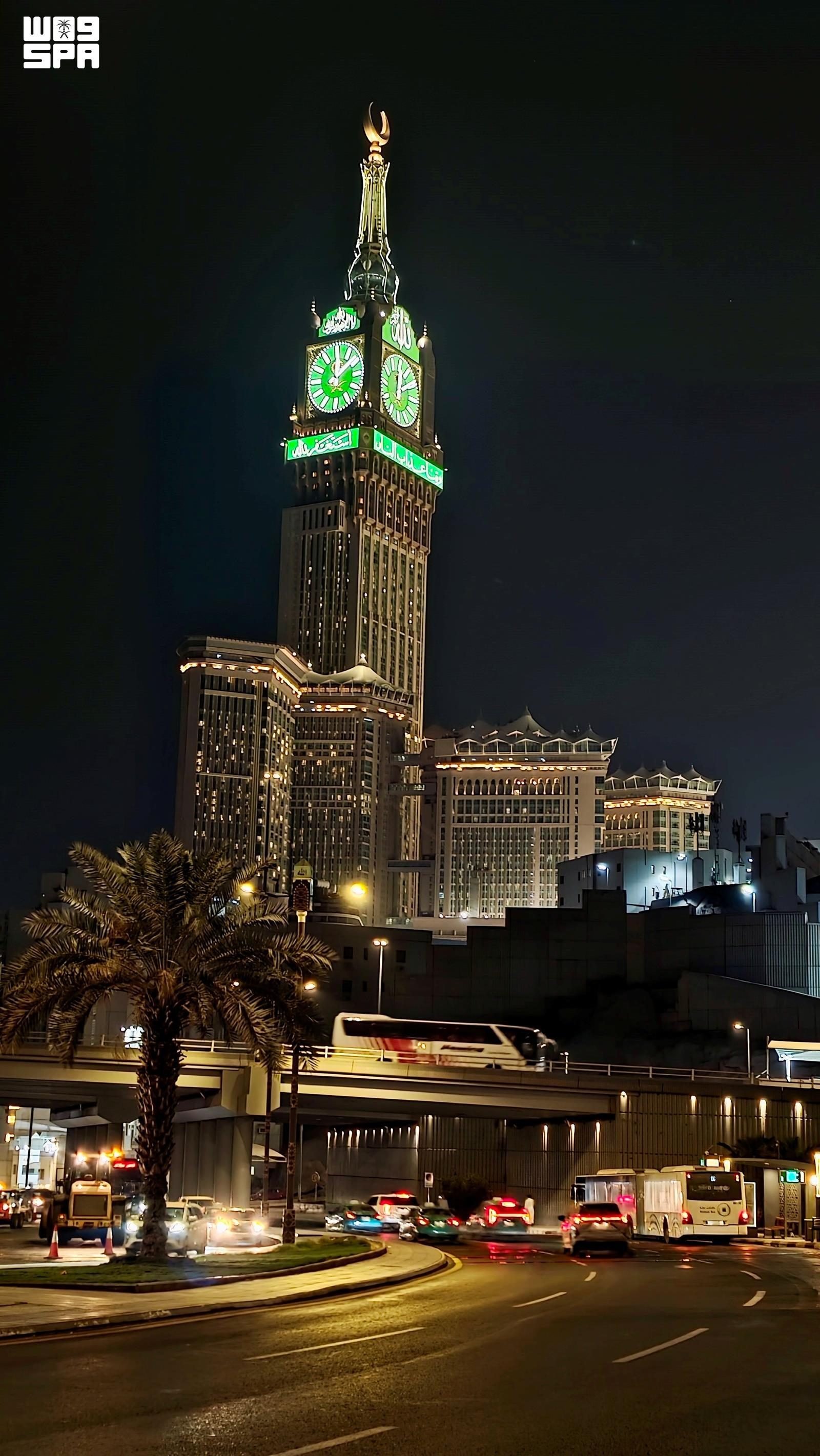
Makkah is going through a broad urban renewal that pairs the sanctity of the holy sites with modern infrastructure, turning the city into an economic and development center that operates all year, in line with Saudi Vision 2030.
Development in housing, hospitality, retail, logistics and transport is moving the city away from a seasonal economy toward a diversified, investment-led one. The Pilgrim Experience Program's 2025 annual report says its service ecosystem delivered 87 initiatives with more than 60 partner entities and achieved 100% compliance. That year the Kingdom received over 19.5 million international pilgrims, 18.03 million for Umrah and 1.5 million for Hajj, a 114% rise in Umrah arrivals compared with 2022. Satisfaction reached 91% among Hajj pilgrims and 94% among Umrah performers, above national targets.
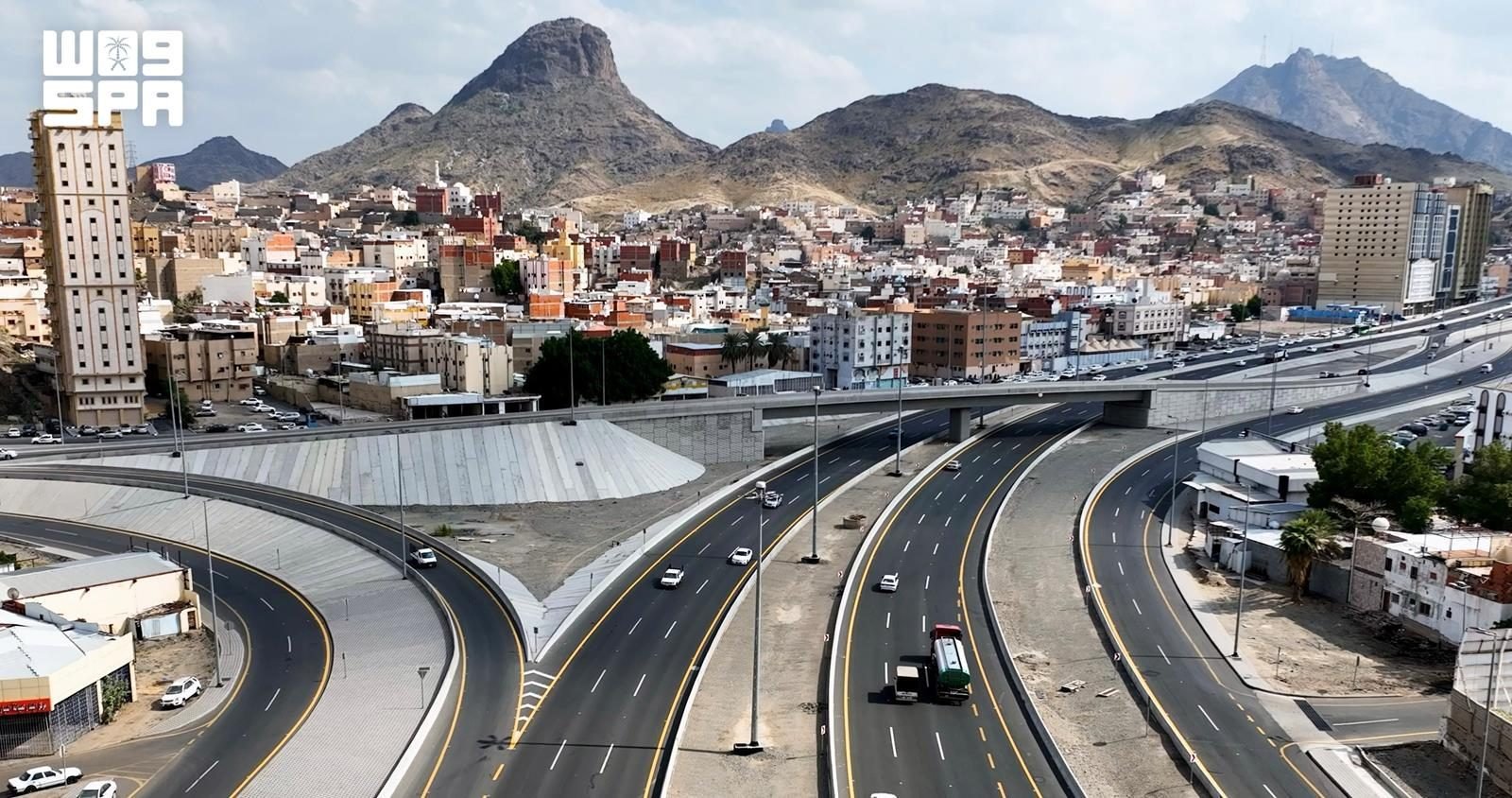
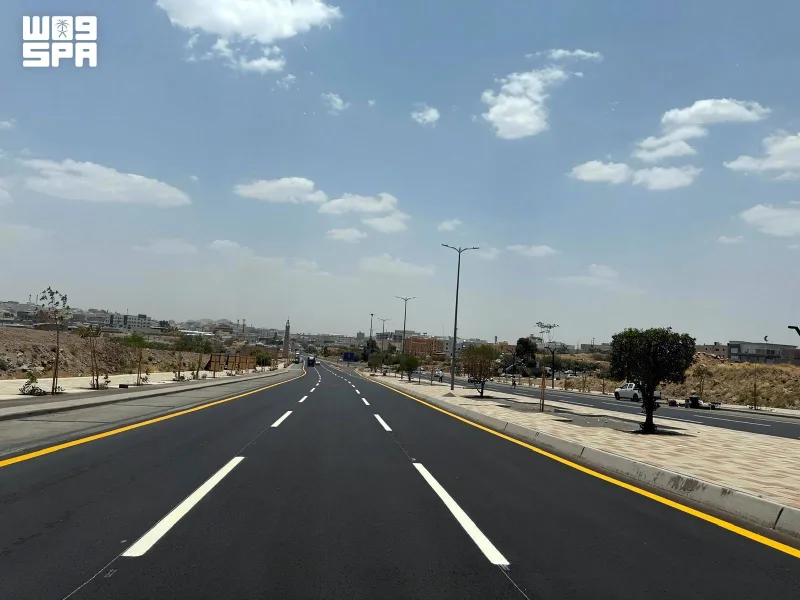
Large projects such as the Masar Destination, the Jabal Omar development and district regeneration programs have added accommodation, upgraded utilities and created mixed-use facilities for growing numbers of visitors, supported by transport links including the Haramain High Speed Railway, the Al Mashaaer Al Mugaddassah Metro and modernized main roads.
Academics at Umm Al-Qura University say the change blends architectural heritage with engineering and digital innovation. Dr. Musab Alsubhi, Dean of the College of Business and Economics, said the investments build long-term competitiveness and lasting jobs in hospitality, retail and logistics, while Dr. Omar Osrah, Dean of the College of Engineering and Architecture, said smart-city tools, data analytics and crowd management raise efficiency while preserving the city's spiritual identity.
Cultural and religious enrichment is also part of the plan: 87 historical and heritage destinations have been rehabilitated in Makkah and Madinah, recording over 55 million visits. Ranked fifth in the world for attracting international visitors in 2025, Makkah offers an integrated model of sustainable planning and modern services devoted to pilgrims.