العربية
 English
 हिन्दी
 বাংলা
বাংলা اردو
اردو Français
 中文
中文 አማርኛ
አማርኛ فارسی
فارسی Türkçe
 Русский
 한국어
한국어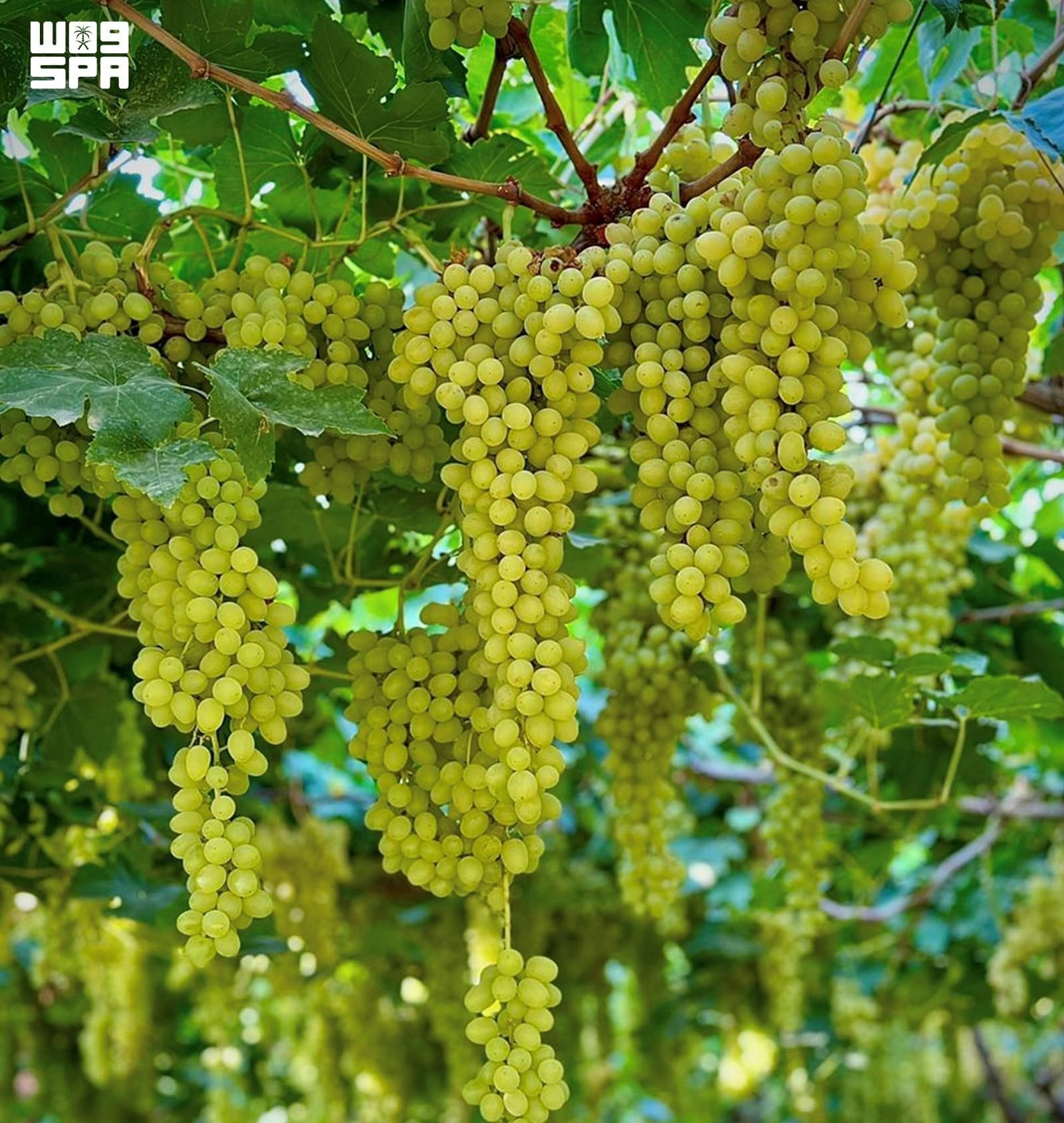
Saudi Arabia is moving quickly to strengthen food security and become more self-sufficient in farm produce, particularly fruit.
A wide set of initiatives has raised domestic output, improved resource efficiency and brought in advanced farming technology, in line with Saudi Vision 2030’s aim of a sustainable economy and a modern agricultural sector ready for future challenges. Government support for farmers and the spread of protected agriculture, smart farming and high-efficiency irrigation have transformed the sector, while research, development and extension services have lifted the yield and quality of many fruits, allowing local produce to compete with imports at home and abroad.
The Ministry of Environment, Water and Agriculture is central to this shift, running programs to raise productivity, use water better, attract investment and expand economically viable crops, while balancing development with conservation of natural resources.
Each region grows fruit suited to its climate. Qassim is known for grapes, pomegranates, figs and several citrus fruits; Al-Jouf is a leading olive producer and also grows grapes and pomegranates; Tabuk produces peaches, apricots, plums and grapes; and Taif is famous for pomegranates, figs, grapes and peaches.
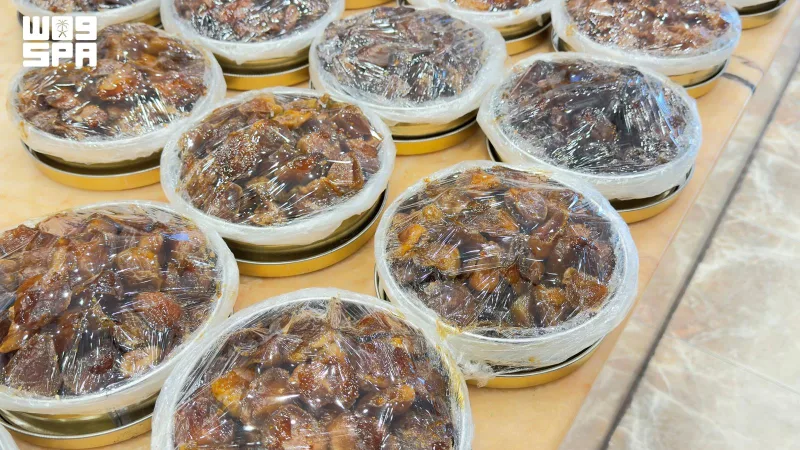
Aseer grows figs, pomegranates, peaches and apricots, Jazan is a major source of mangoes, papayas and bananas, and Najran is known for grapes, pomegranates and dates, while citrus is widely grown in parts of Al-Baha and other governorates.
Year-round availability of a wide range of fruit gives consumers more choice and nutrition and increases reliance on local produce, and modern storage and marketing have cut the need for imports in many seasons, supporting stable markets.
As Vision 2030 programs advance, the drive for fruit self-sufficiency has become a national model that combines innovation and sustainability, showing how investment in land, technology and knowledge can turn environmental challenges into opportunities.