العربية
 English
 हिन्दी
 বাংলা
বাংলা اردو
اردو Français
 中文
中文 አማርኛ
አማርኛ فارسی
فارسی Türkçe
 Русский
 한국어
한국어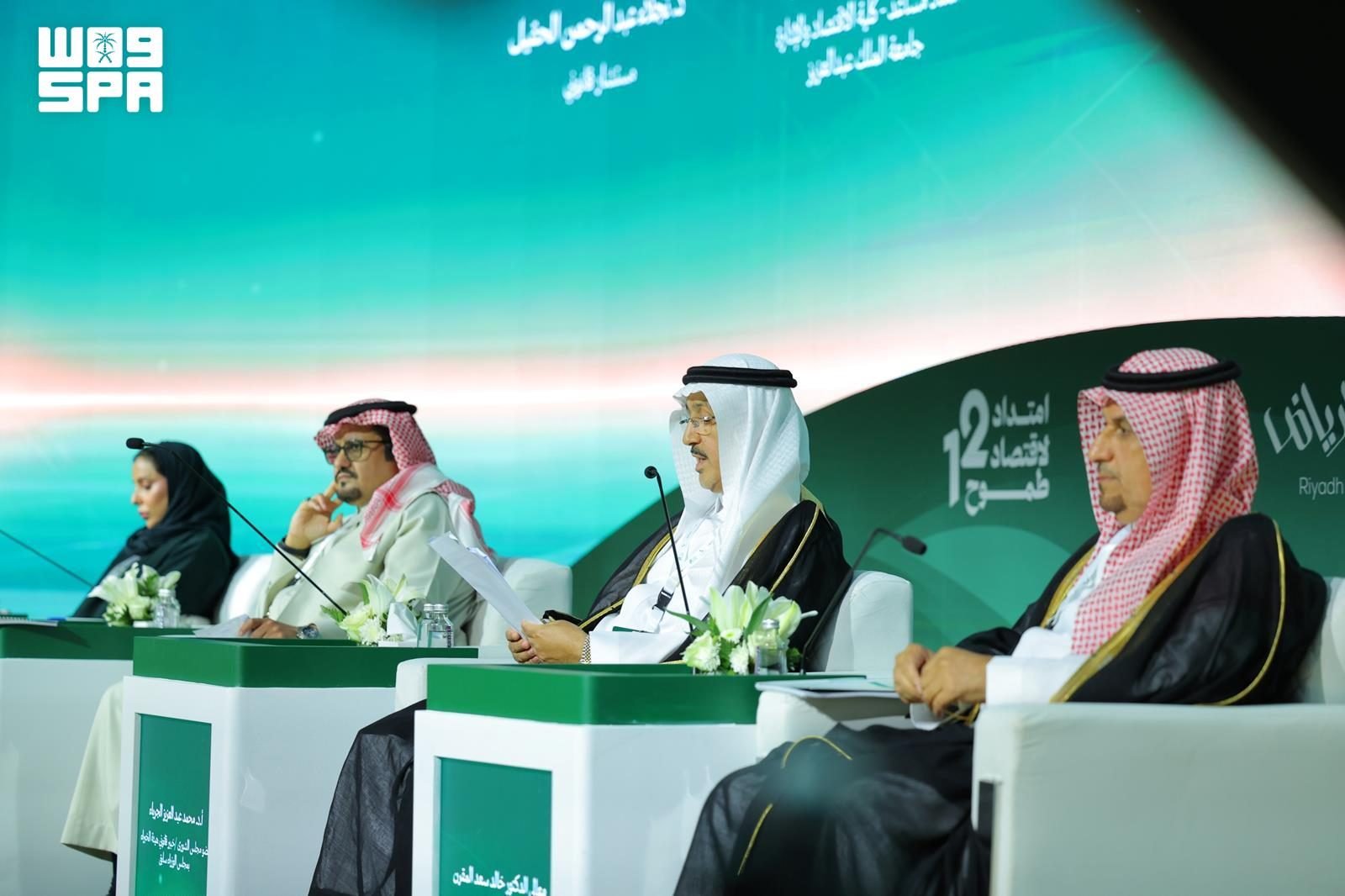
The use of digital technology and artificial intelligence to measure the impact of legislation and public policy in Saudi Arabia remains limited, despite the Kingdom's major advances in data and AI, according to a study discussed at the 12th Riyadh Economic Forum.
The study, titled "Measuring the Impact of Legislation and Public Policies in Saudi Arabia and Their Role in Achieving the Sustainable Development Goals", seeks to build a scientific and methodological framework for assessing the economic, social and environmental effects of legislation, in support of sustainable development targets and Saudi Vision 2030, and to strengthen governance, transparency, accountability and the efficiency of government action.
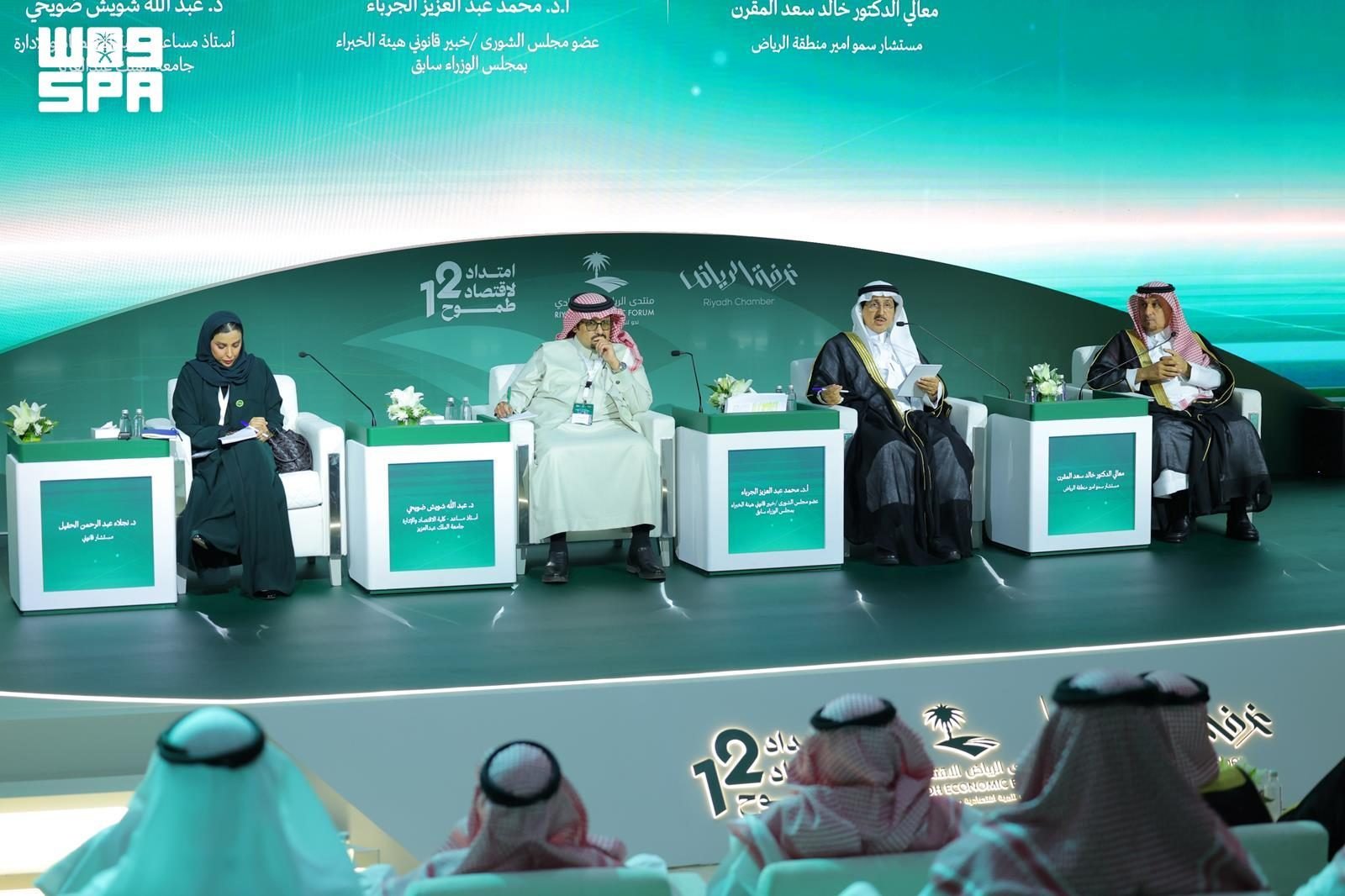
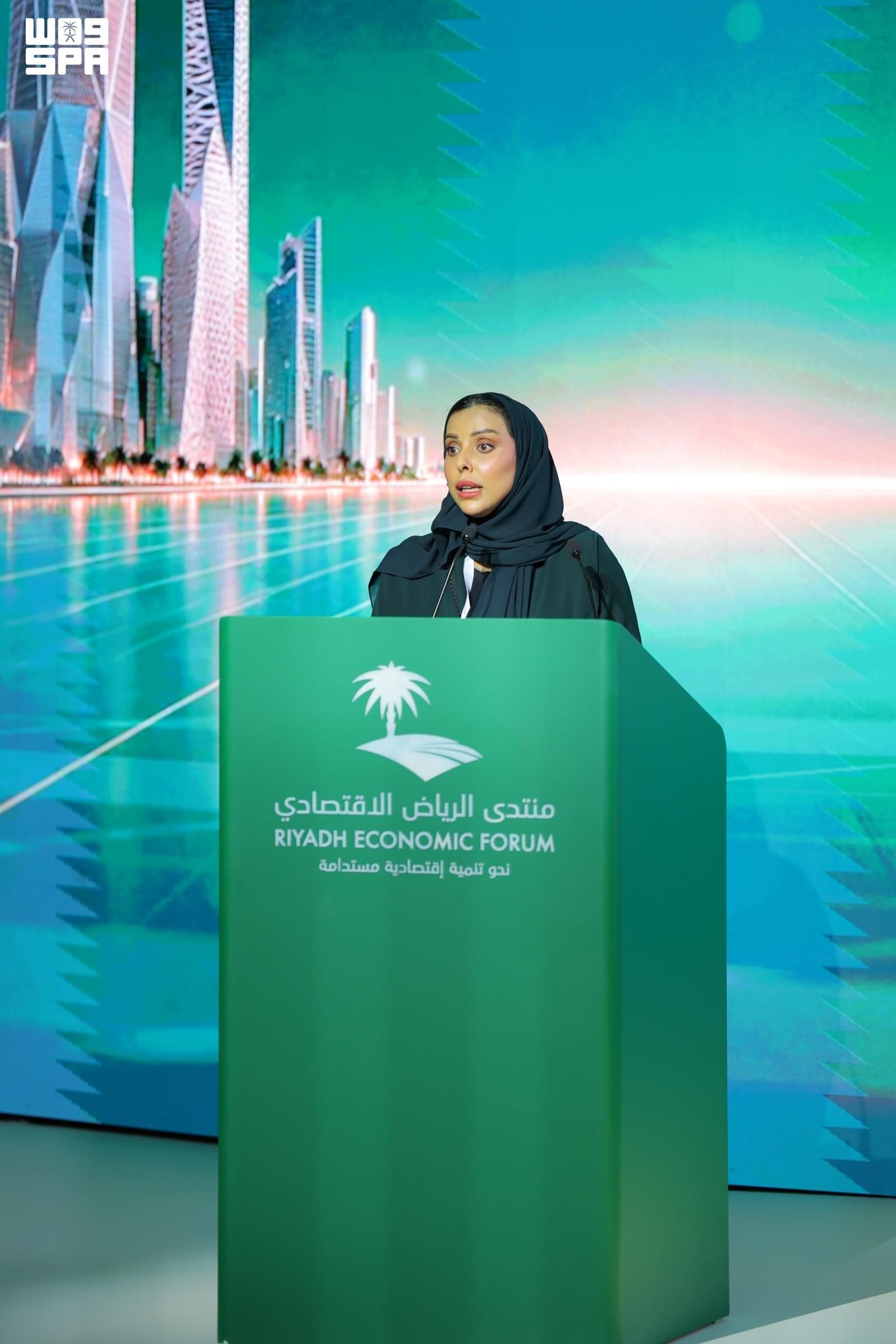
The session was chaired by His Excellency Dr. Khalid bin Saad Al-Muqrin, special adviser to the Governor of Riyadh Region. Study team leader Dr. Najla Abdulrahman Alhekail presented the findings, and the discussants were former Shura Council member Dr. Muhammad bin Abdulaziz Al-Jarba and Dr. Abdullah bin Shuwaish bin Duwayhi, assistant professor at King Abdulaziz University's Faculty of Economics and Administration.
The assessment of the current situation pointed to problems in how responsibilities are divided among the government bodies that draft legislation, implement it and measure its effects, with overlapping mandates in many cases that can weaken coordination and blur roles.
The field study also found that most analysis still relies on traditional methods of collecting and processing data, with little use of predictive analytics, big data or intelligent models to build future scenarios or develop indicators.