العربية
 English
 हिन्दी
 বাংলা
বাংলা اردو
اردو Français
 中文
中文 አማርኛ
አማርኛ فارسی
فارسی Türkçe
 Русский
 한국어
한국어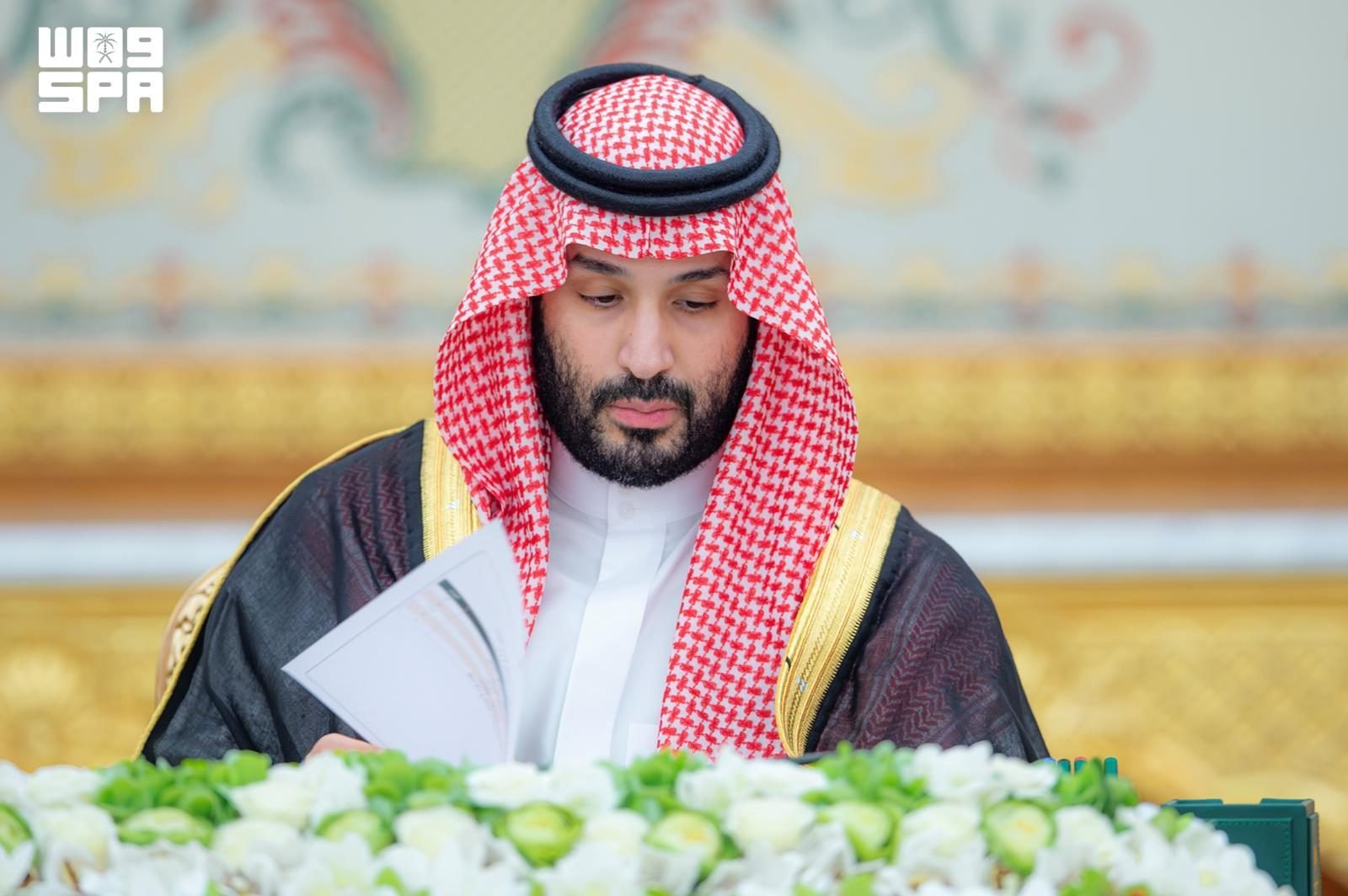
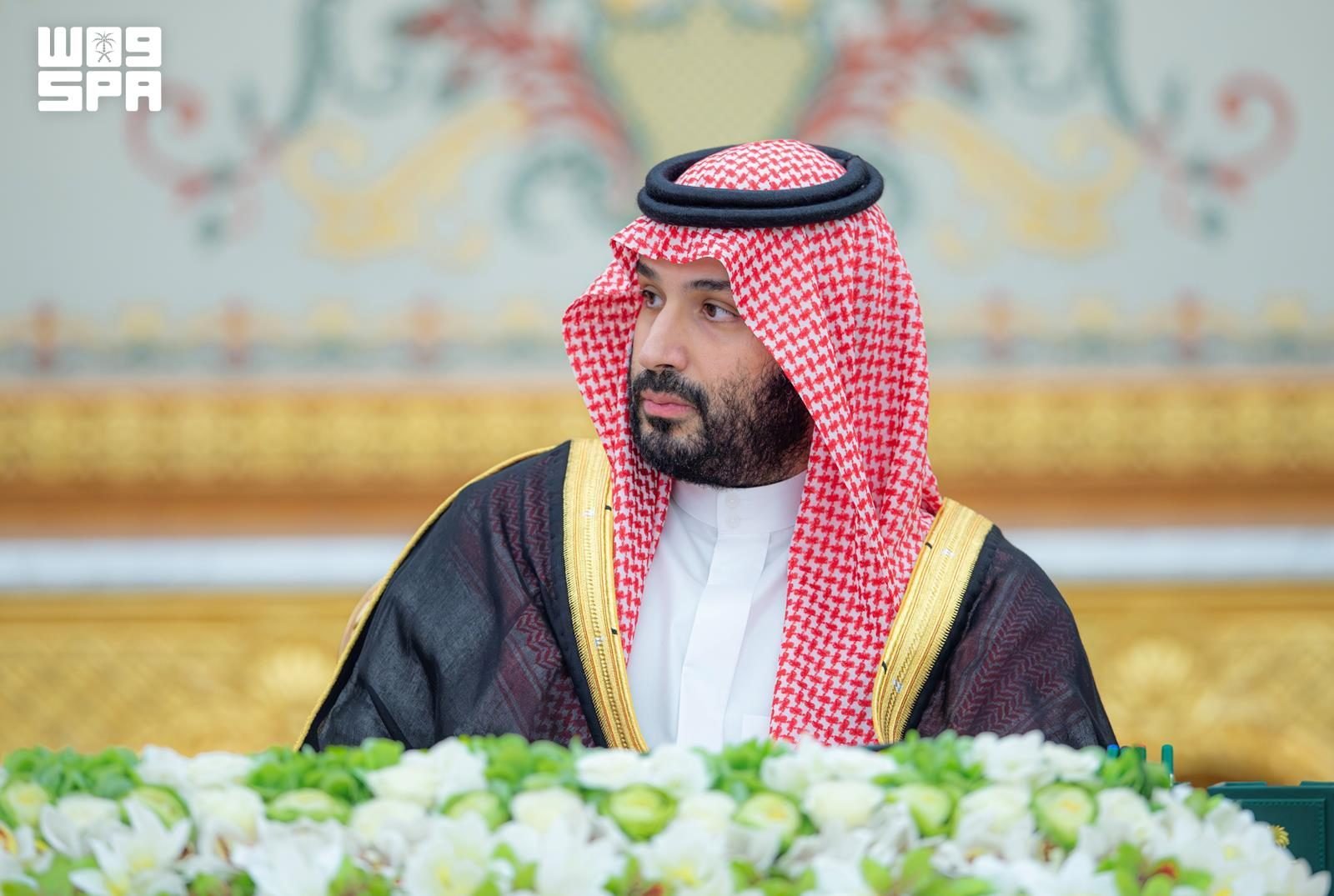
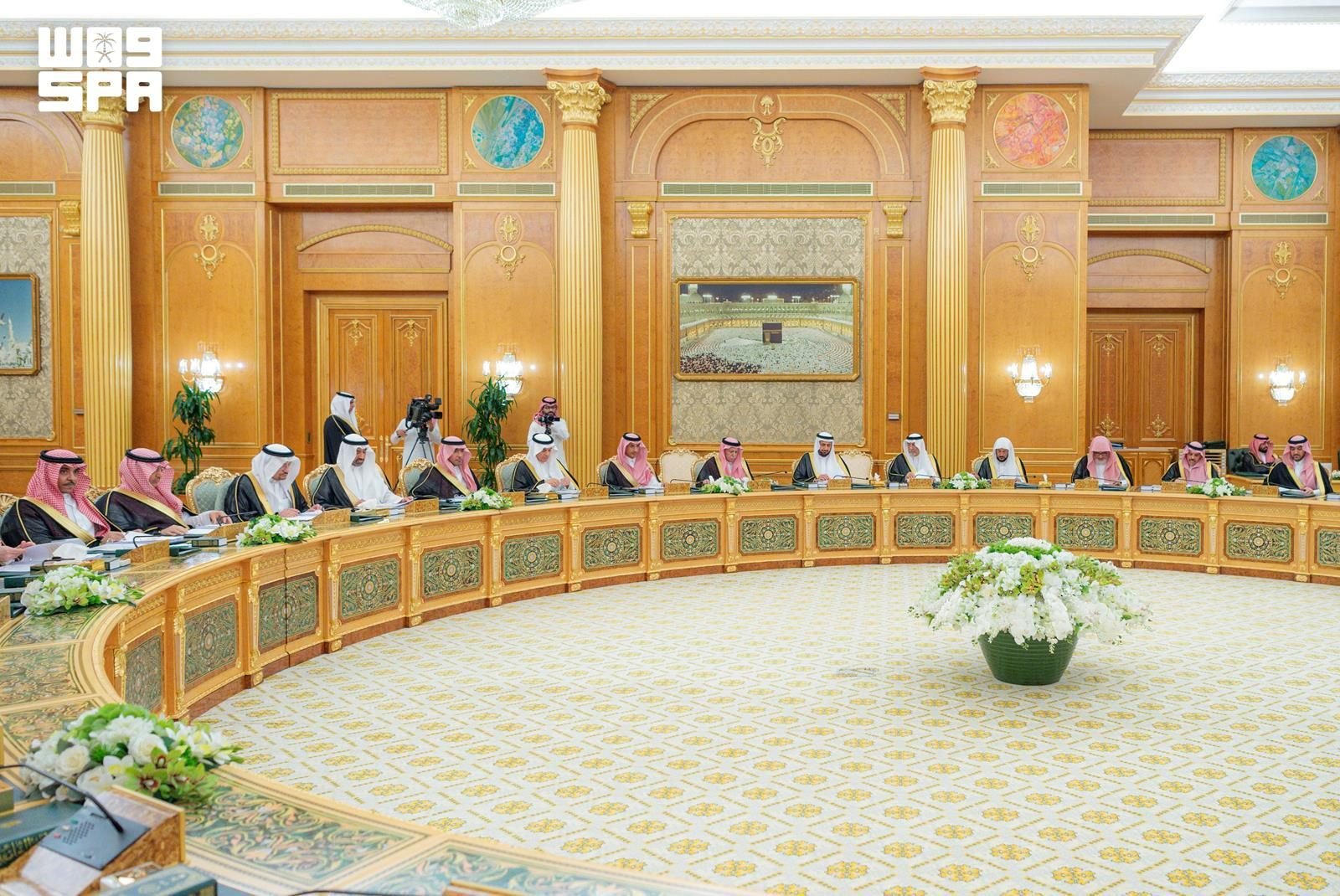
His Royal Highness Crown Prince and Prime Minister Mohammed bin Salman bin Abdulaziz Al Saud presided over today's Cabinet meeting in Riyadh, which opened with tribute to the armed forces for their firm role in defending the nation, protecting its achievements and deterring any aggression against its sovereignty or the safety of citizens and residents.
Ministers said the “terrorist Houthi militia” would bear the consequences of its crimes and repeated attacks on Saudi airports, on Makkah and Madinah and pilgrims to the Two Holy Mosques, and on civilian and economic facilities. They offered condolences to the victims' families, wished the wounded a quick recovery, and commended the Coalition to Restore Legitimacy in Yemen for operations to neutralise the militia's threat. The Kingdom, they stressed, will not allow its security or freedom of navigation in the Red Sea and the Bab al-Mandab Strait to be threatened, and they thanked the states and organisations that condemned the attacks.
The Cabinet also hailed the restoration of oil flows through the East-West pipeline, calling the quick recovery proof of the energy system's operational resilience and of the reliability of Saudi supplies to world markets.
Minister of Media Salman Al-Dossary said the Cabinet reviewed recent talks with brotherly and friendly countries, noted the outcome of the fifth meeting of the Security Coordination Committee of the Saudi-Bahraini Coordination Council, welcomed participants in the 25th World Petroleum Congress and the ministerial meetings in Riyadh this week, and praised public turnout for the 2026 national blood donation campaign.
Among its decisions, the Cabinet approved the Kingdom's accession to the humanitarian funds of the Organisation of Islamic Cooperation; adopted the GCC food security strategy as a guideline for three years; and merged the General Authority of Foreign Trade and the Saudi Export Development Authority into a General Authority for Foreign Trade and Export, with statutory steps to be submitted within 180 days.
It also authorised memoranda with Syria on culture, with Türkiye's scientific research council and between the Saudi and Egyptian central banks, and approved promotions including to the posts of ambassador and minister plenipotentiary.