العربية
 English
 हिन्दी
 বাংলা
বাংলা اردو
اردو Français
 中文
中文 አማርኛ
አማርኛ فارسی
فارسی Türkçe
 Русский
 한국어
한국어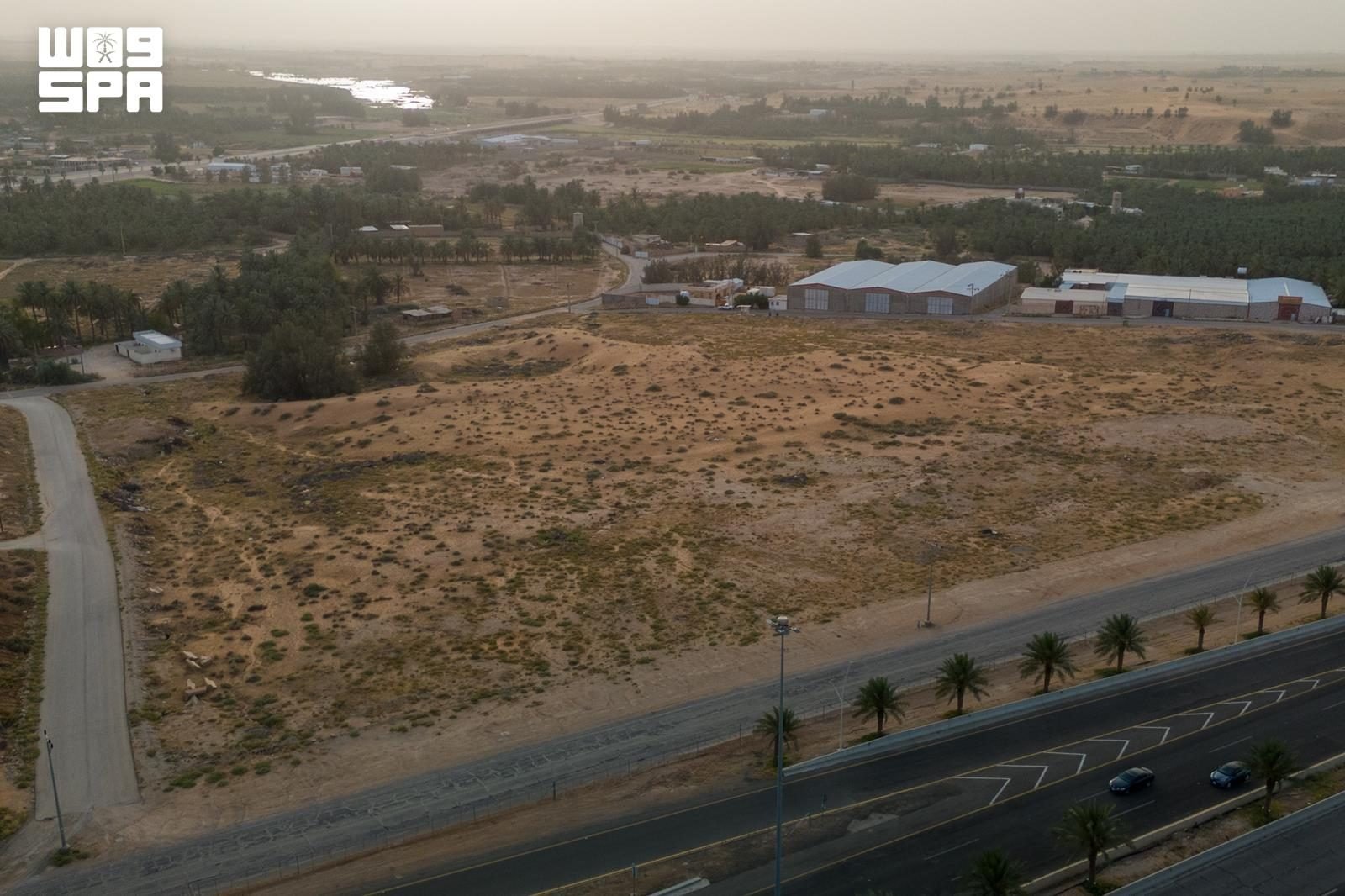
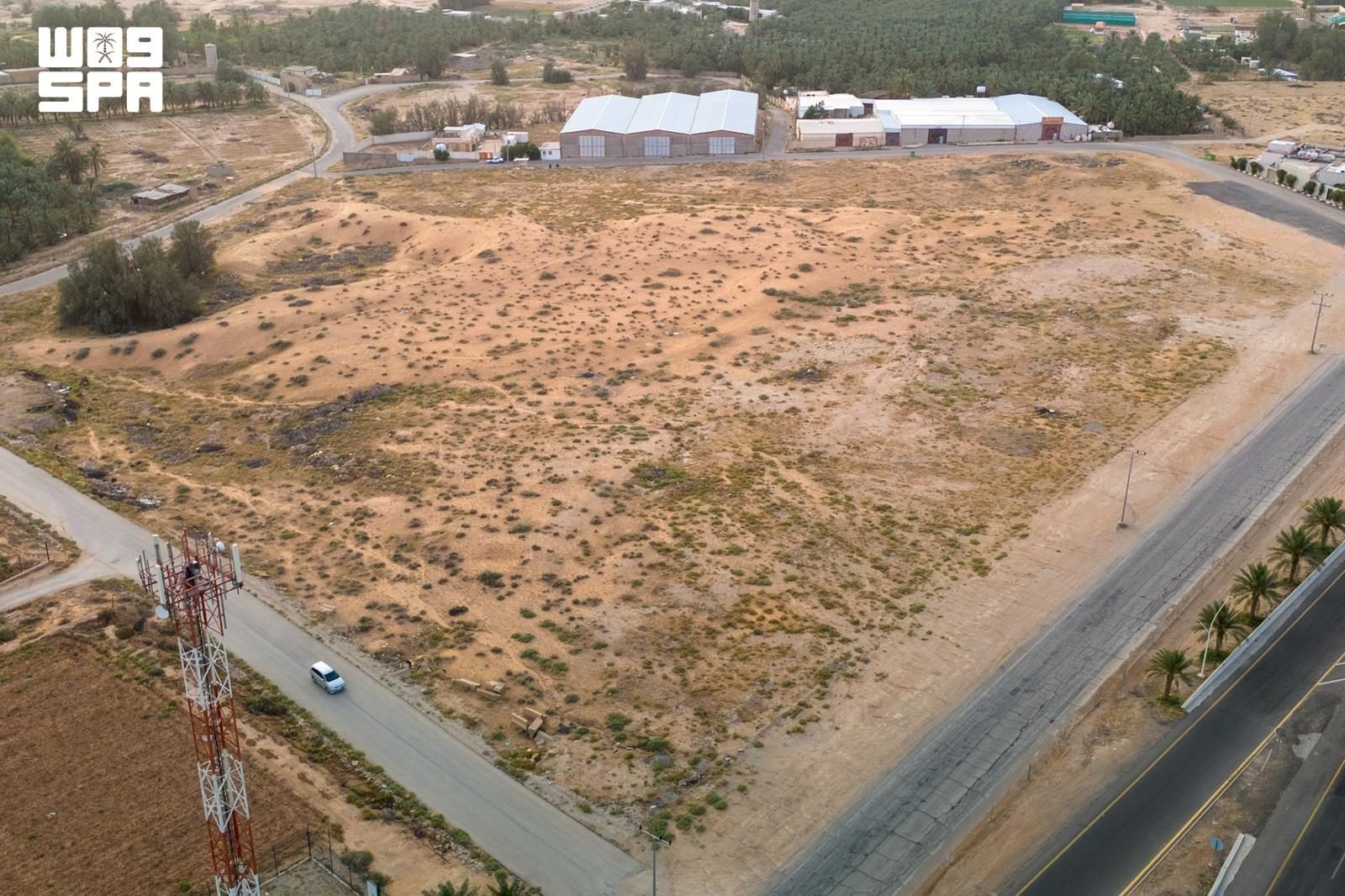
In the sands and plains of Qassim, the village of Al-Ayariyah in Unaizah governorate holds memories of the Basra route, one of the historic paths taken by Hajj caravans from Basra to Makkah. Once a major stopping point, it still bears witness to the travel, trade and cultural exchange the route brought.
Historical researcher Dr. Ahmed Al-Bassam says the route ran through a series of stations, starting at Al-Raqai and Hafr Al-Batin, then Al-Mawiyah and Umm Ashar, known in history as Dhat Al-Ashar, and Al-Majazah, named for its link to crossing Al-Dahna Desert. It then reached the edges of Qassim, where a site historically called Al-Yansoua lay in Wadi Al-Rummah.
According to Al-Bassam, the route entered Qassim through Al-Asyah governorate, historically Al-Nibaj, passed Al-Suraif north of Buraidah and then reached Al-Ayariyah. It was part of the caravans' journey of around 1,200 kilometers from Basra to the holy land.
He described Al-Ayariyah as one of the oldest historical sites in the region and a former rest station on the Hajj route, adding that its name is tied to several local accounts of early settlement and periods of prosperity in different eras.
Musa Al-Obaidallah, an Unaizah resident who researches the village's history, said Al-Ayariyah has an important place in local memory, and some residents link its name to an old archaeological site known in the area. He pointed to the remains of long-vanished buildings that have worn away over time through natural causes.
Al-Obaidallah called for greater care for historic Hajj-route sites and for archaeological research to bring out their historical value and give them a stronger place in the region's heritage.