 العربية
 English
 हिन्दी
 বাংলা
 اردو
 Français
 中文
 አማርኛ
 فارسی
 Türkçe
 Русский
 한국어
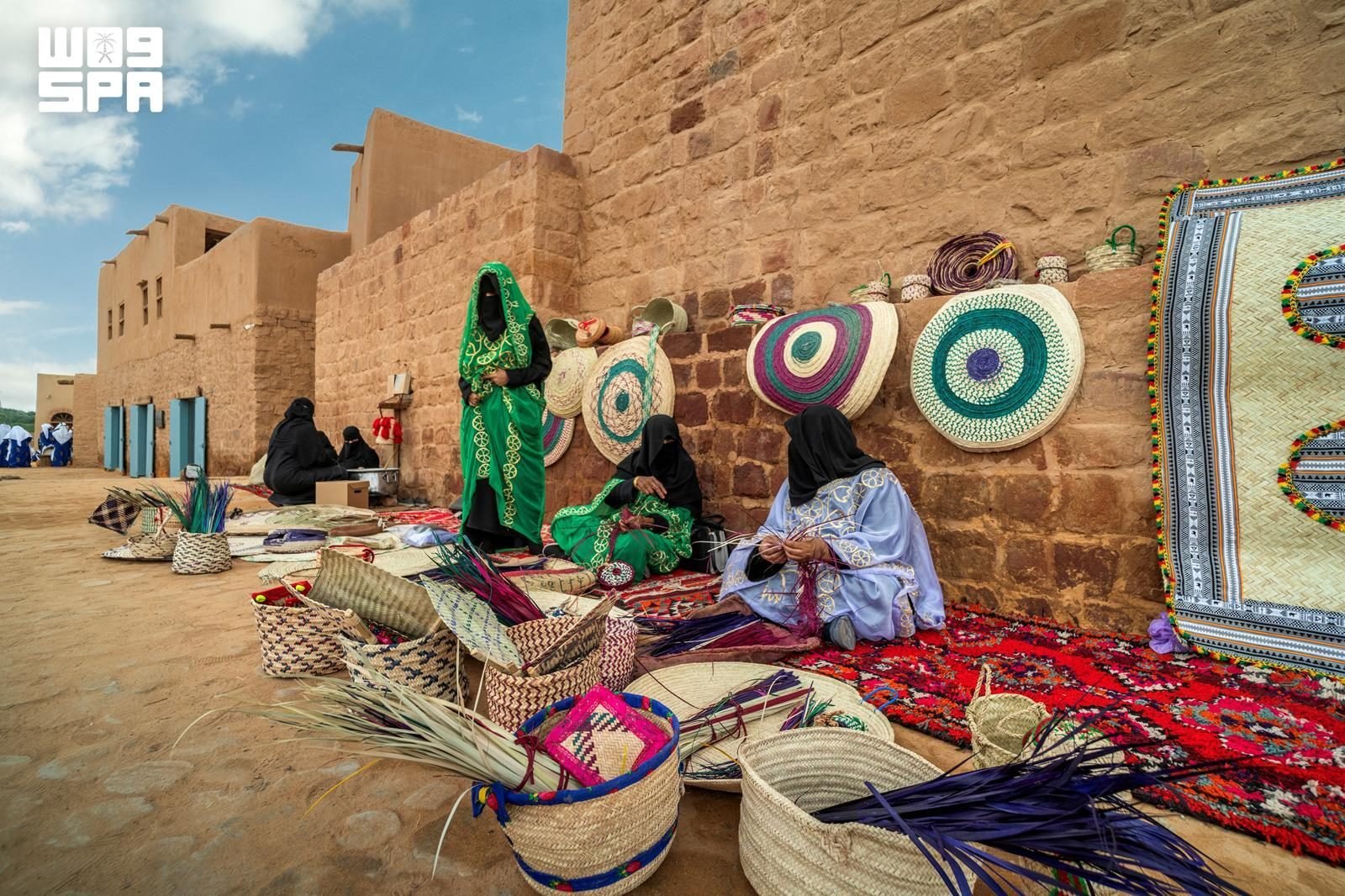
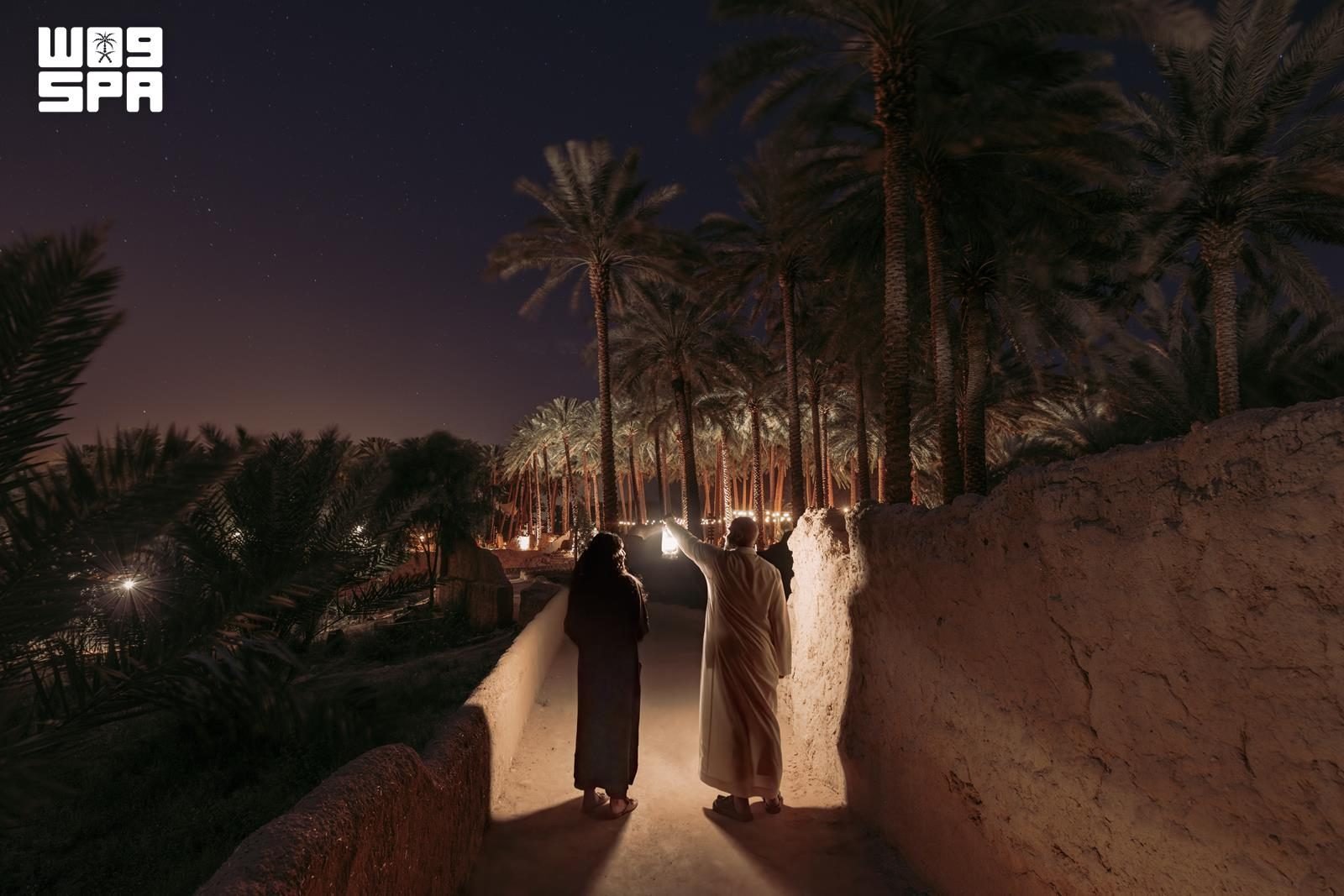
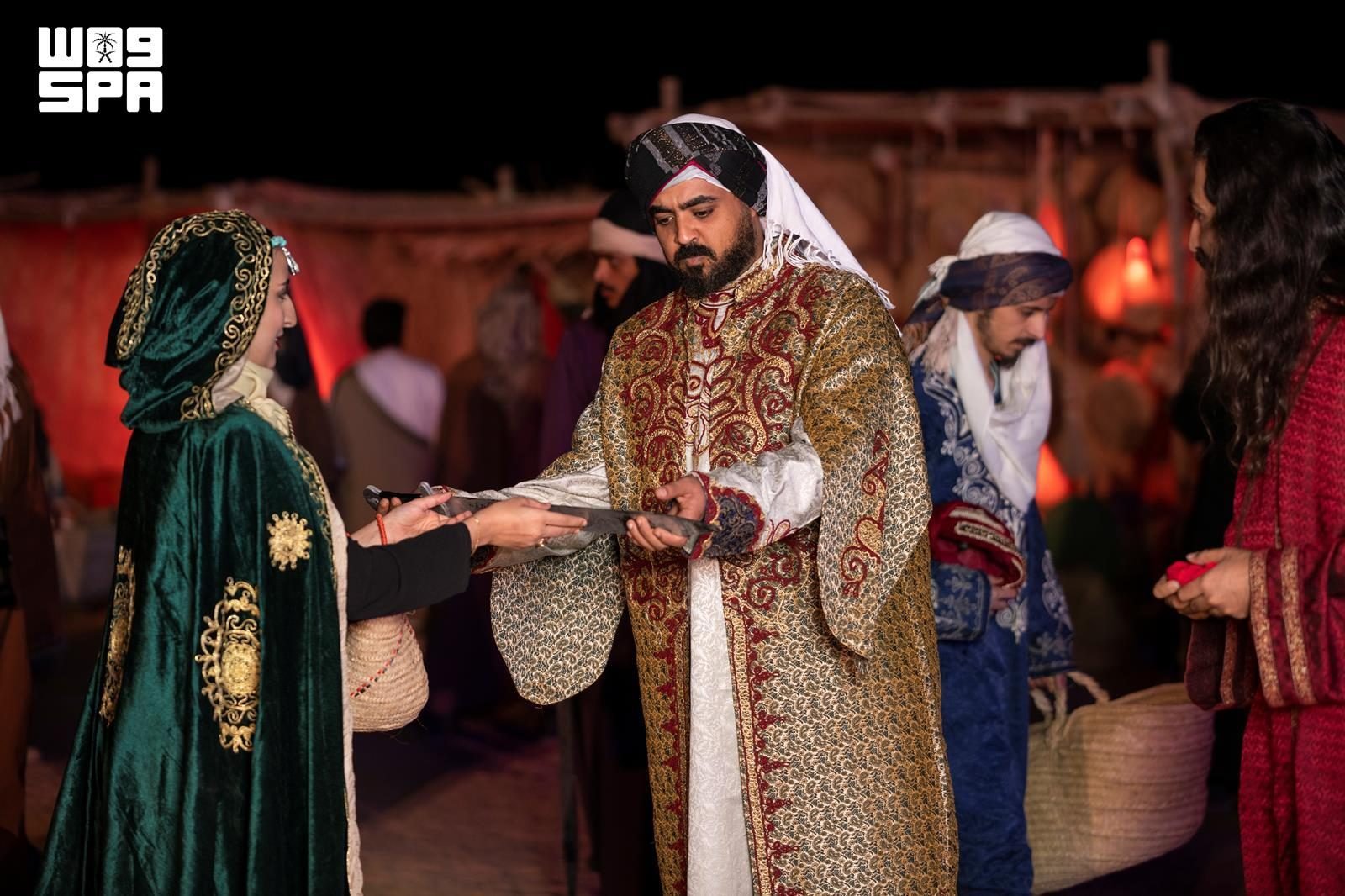
The governorate of AlUla is taking part in the International Day of the Intangible Cultural Heritage, held every year on October 17, by showcasing the customs, traditions, crafts and folk knowledge that have been handed down through generations and remain central to its identity.
AlUla's heritage stretches back thousands of years, with successive civilisations leaving their mark in archaeological sites and historic inscriptions. Inherited cultural practices, meanwhile, reflect the relationship between people and place and the ways of life and social traditions that shaped local identity.
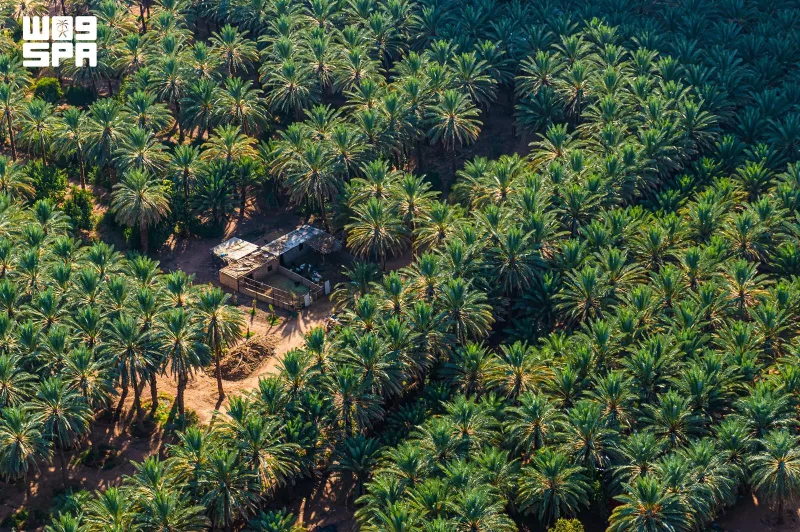
Its intangible heritage ranges from handicrafts, folk arts and oral storytelling to traditional farming knowledge, hospitality customs and social occasions, forming a body of knowledge that reflects how residents have interacted with their natural and cultural surroundings.
To preserve this legacy, the Royal Commission for AlUla runs programmes and initiatives that support artisans and develop their skills, revive traditional crafts and arts, and give younger generations the opportunity to learn them so they continue to have a place in modern life.
The local community is at the heart of these efforts as the keeper of these practices, while cultural events and experiences in the governorate introduce visitors to the crafts, arts and traditions that make AlUla distinctive.
The day, adopted by the United Nations Educational, Scientific and Cultural Organization (UNESCO), aims to raise awareness of safeguarding intangible cultural heritage, protect cultural diversity, promote understanding between peoples and encourage communities to pass their traditional knowledge on to future generations.