العربية
 English
 हिन्दी
 বাংলা
বাংলা اردو
اردو Français
 中文
中文 አማርኛ
አማርኛ فارسی
فارسی Türkçe
 Русский
 한국어
한국어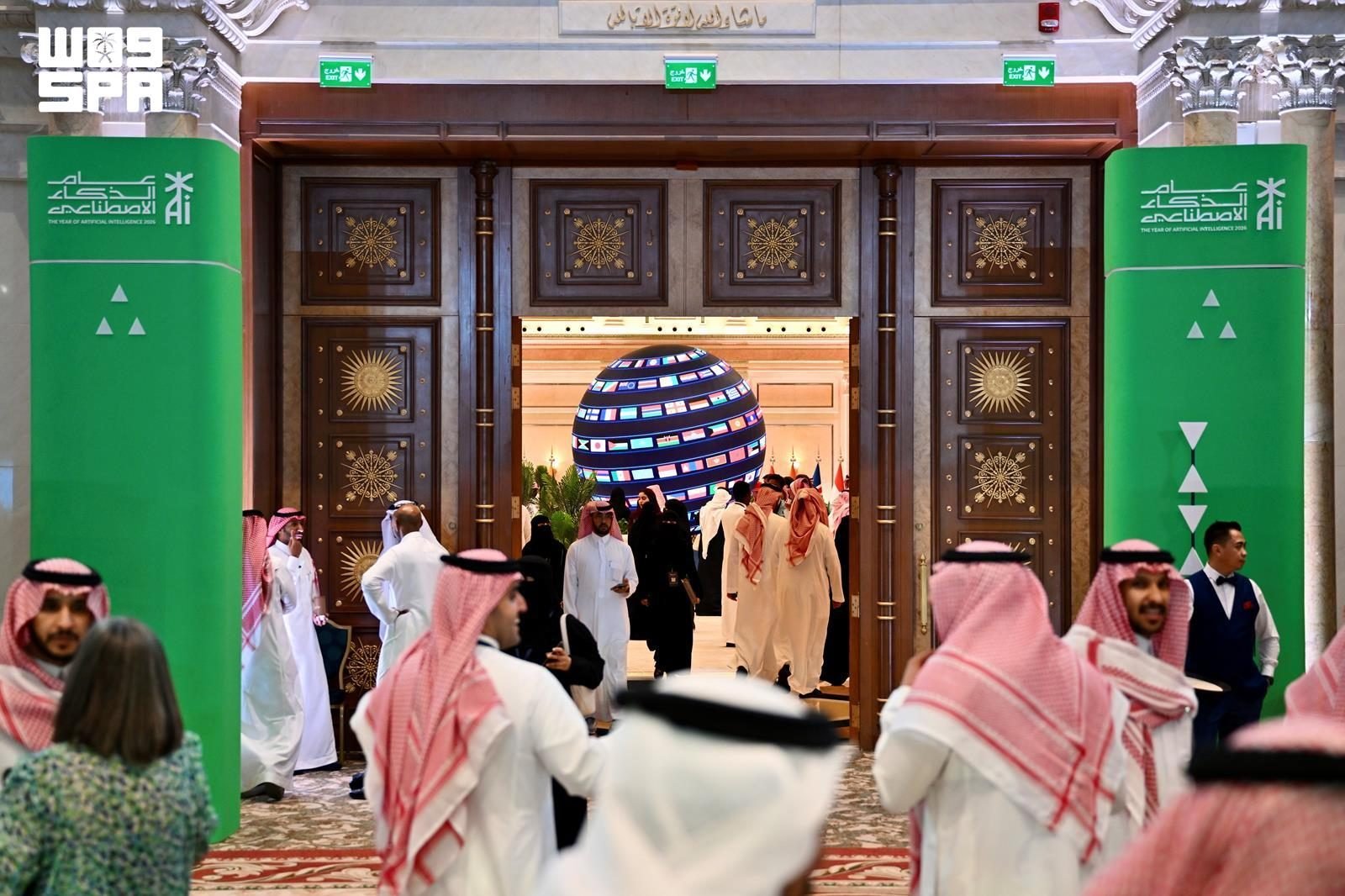
The global conversation about artificial intelligence is moving on from whether machines can learn, analyze and decide to how those abilities can make people's lives better and bring lasting benefit to societies, a change visible at the fourth UNESCO Global Forum on the Ethics of Artificial Intelligence (GFEAI 2026) hosted by Saudi Arabia in Riyadh.
Policymakers, experts, academics and international organizations at the forum are discussing responsible deployment and the gap between how fast technology moves and how well governments and institutions can govern it. Sessions have pointed to shortfalls in infrastructure, capabilities, skills and access, and called for the benefits of the AI transformation to be shared more fairly.
The debate is also redefining progress: AI's real value, participants argue, lies not just in processing huge volumes of data or handling complex tasks but in its effect on people's lives, through better services, development, efficiency and wider access to knowledge and innovation.
Riyadh is serving as a venue for sharing expertise on steering AI toward development rather than seeing it only as a technological change, with an emphasis on innovation that serves people and the common good.