 العربية
 English
 हिन्दी
 বাংলা
বাংলা اردو
اردو Français
 中文
中文 አማርኛ
አማርኛ فارسی
فارسی Türkçe
 Русский
 한국어
한국어
Jazan Region has become one of the Kingdom's leading tourist destinations, with natural and cultural attractions spread across its governorates, from beaches and islands to highlands, terraced farms, valleys and heritage villages, offering year-round experiences in nature, adventure, culture and leisure.
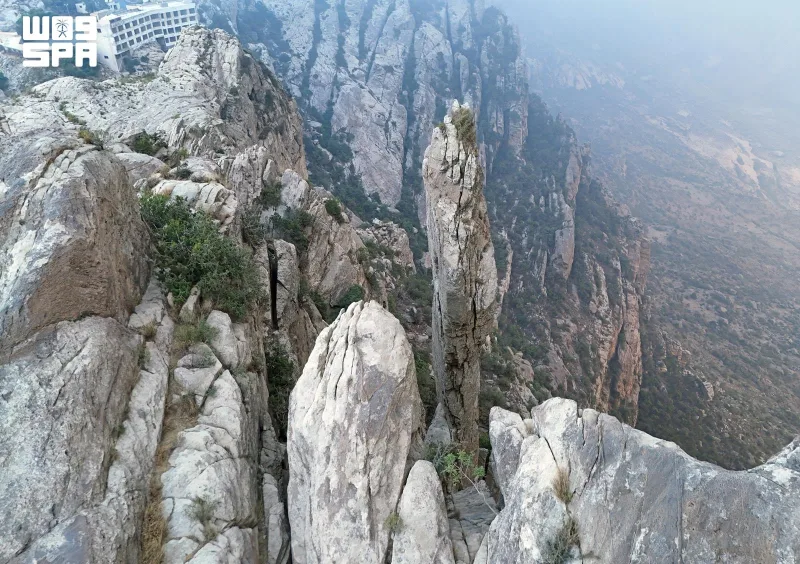
About 80 kilometres northeast of Jizan city, Al-Edabi Governorate stands out for its high mountains, terraced fields, constantly flowing valleys and landscapes that come alive after seasonal rains, making it popular for mountain and rural tourism.
Its highlands climb to about 1,693 metres above sea level. Terraces cover the slopes, where farmers grow coffee, corn, millet, bananas, papaya and seasonal fruit and vegetables, reflecting generations of know-how in farming mountain land and keeping traditional practices alive. Valleys such as Jura, Damad and Ayban run down from the heights to water the farms and vegetation.
Al-Edabi is also known for its traditional Wednesday market, held every week for more than 40 years. It draws shoppers from mountain tribes and nearby governorates with livestock, crops, honey, meat, fresh fish, fabrics, crafts and aromatic plants from the hills, and has become one of Jazan's best-known traditional markets.
Many residents still raise livestock on the natural pastures of the mountains and valleys, and farming remains central to community life. Sidr and talh trees, along with wild plants that bloom in the rainy season, support a flourishing beekeeping trade, and honey is one of the governorate's most famous products and a major source of income.
Al-Edabi hosts the annual Jazan Honey Festival, which since its launch in 1436 AH has become one of the region's leading tourism and economic events, promoting the quality of Jazan honey, supporting beekeepers and productive families, highlighting the region as a major honey producer and raising awareness of beekeeping's role in ecological balance.