 العربية
 English
 हिन्दी
 বাংলা
 اردو
 Français
 中文
 አማርኛ
 فارسی
 Türkçe
 Русский
 한국어

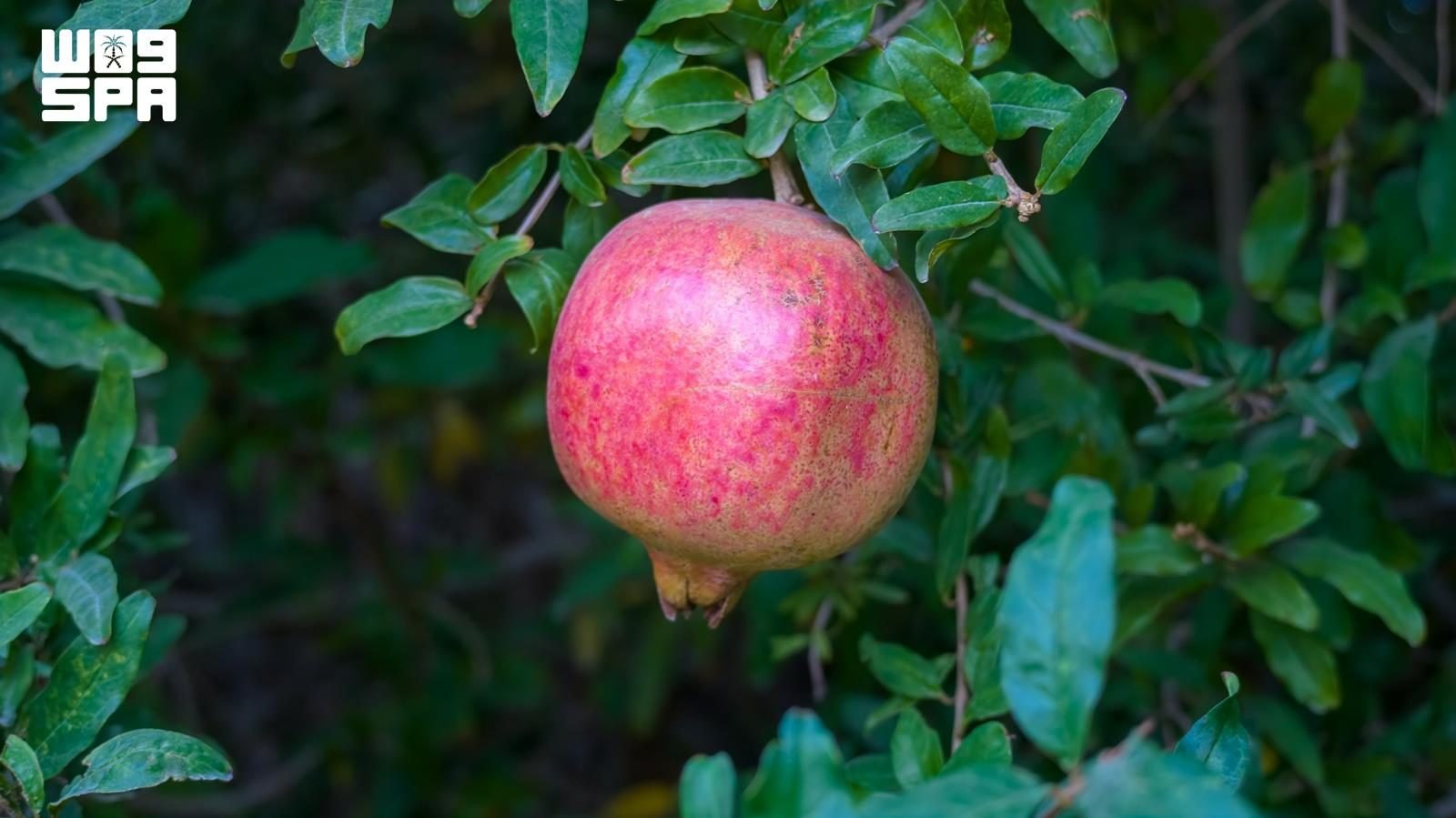
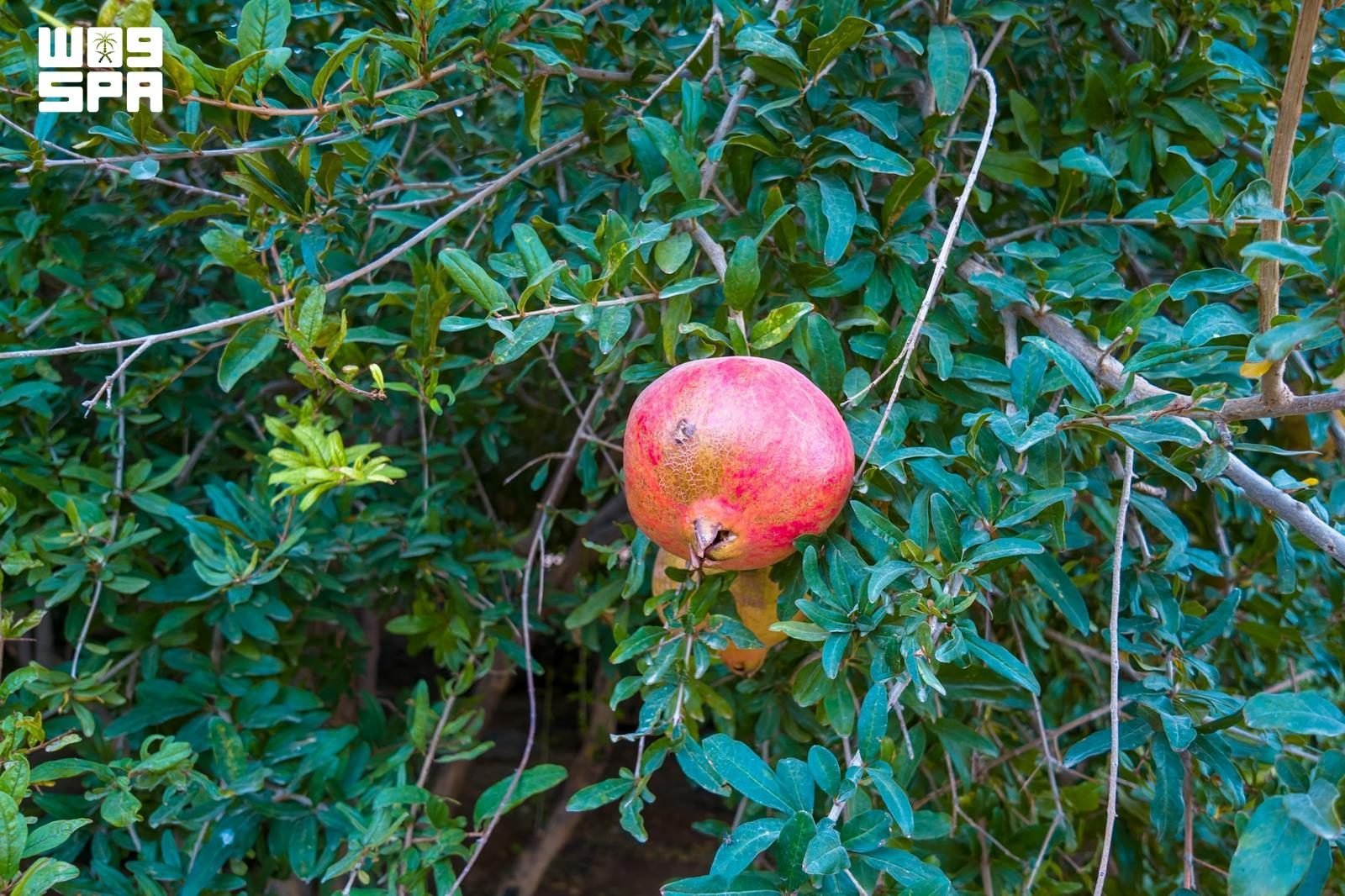
Qassim's pomegranate harvest is under way, with the region's output exceeding 12,000 tons from more than 300,000 trees on 150 farms in Buraidah and several governorates and centres.
The crop is grown mainly in Buraidah and the governorates of Al-Bukayriyah, Ar-Rass, Al-Mithnab, Uyun Al-Jiwa and Riyadh Al-Khabra. Leading varieties include Taifi, Hijazi and American pomegranates, which vary in character, taste and ripening time.
According to the Ministry of Environment, Water and Agriculture's branch in Qassim, the expansion of pomegranate farming reflects the region's crop diversity, and a wider mix of seasonal crops boosts farm output and the presence of local produce in markets.
Farmer Mohammed Al-Hassan said saplings are usually planted in February, while the harvest begins in October and lasts between one month and a month and a half. Cooler temperatures during ripening can improve taste, he said, while soil type and irrigation water quality affect yields. He advised buying saplings from trusted sources and managing irrigation, fertilisation and pest control carefully.
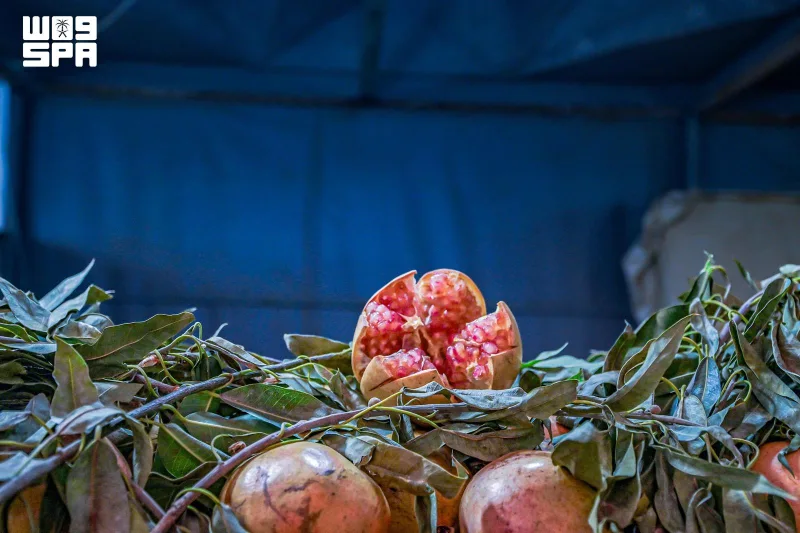
Pruning, tree care and grading fruit by size and quality add to its market value, he added. Pomegranates go into juices, salads and pomegranate molasses, and pruning waste is recycled on the farm. With harvesting continuing, Qassim fruit is reaching shops and markets, and the range of varieties and ripening dates keeps supply steady through the season.