العربية
 English
 हिन्दी
 বাংলা
বাংলা اردو
اردو Français
 中文
中文 አማርኛ
አማርኛ فارسی
فارسی Türkçe
 Русский
 한국어
한국어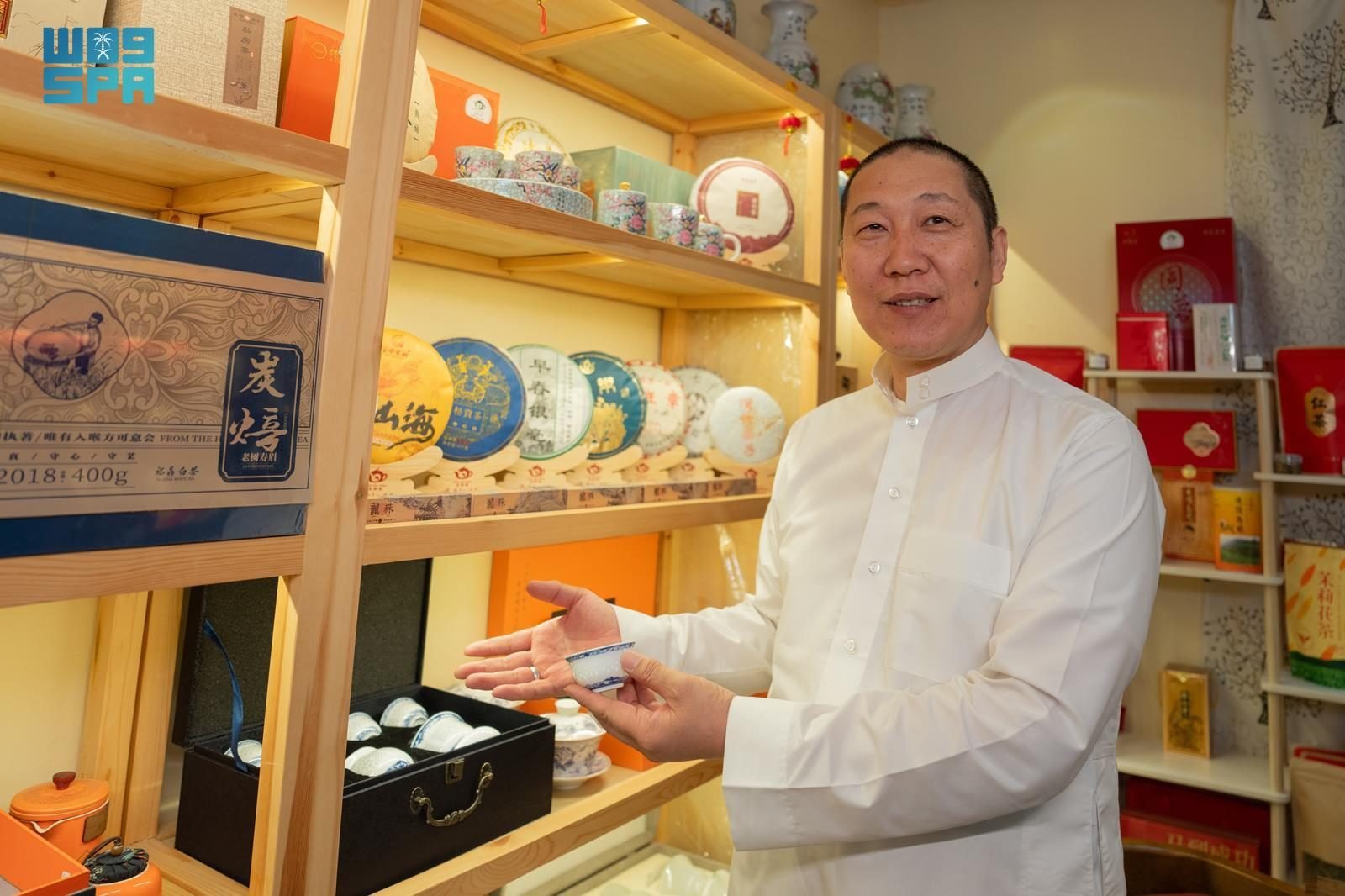
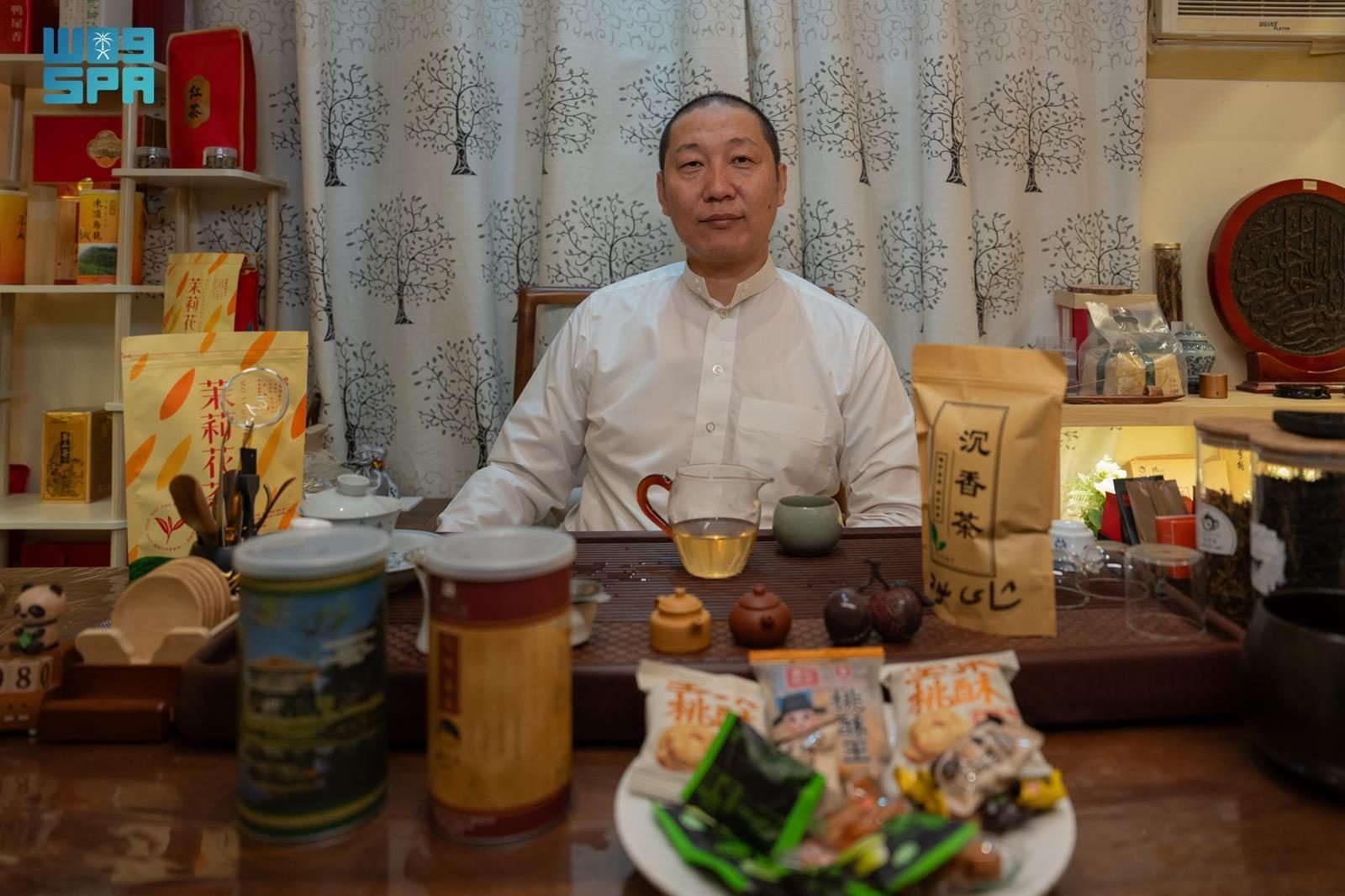
Liu Jingxi, a Chinese resident who arrived in the Kingdom in 2002, has now observed the Ramadan fast here for more than 24 years, and says the experience goes well beyond fasting: it has been a deep cultural, social and spiritual journey reflecting the values and humanity of Saudi society.
What marks Ramadan in the Kingdom, he said, is the solidarity and compassion among people, visible in the many iftar tents at mosques and along roads that offer meals to fasting people and create scenes of cooperation and generosity in streets and neighborhoods.
His day begins with suhoor, which he calls an important moment that gives him the energy to fast through the day. After the Fajr prayer, he starts work, using the calm of the morning to concentrate.
'Despite my long residence in the Kingdom, I make sure to include some Chinese dishes at the iftar table,' he said, explaining that he and his family cook traditional Chinese meals and that Saudi friends often invite him to share iftar and suhoor, adding a social side to the month.
He usually breaks his fast with dates, Zamzam water and Saudi coffee, followed by Ramadan favorites such as sambousek, Vimto and rice served next to Chinese dishes. Liu described his Ramadan in the Kingdom as unique and enriching, letting him see its customs up close and take part in them with the community.